Our Blog
Introduction: Your Work Setup Can Make or Break Your Career Picture this: You’re working from a stylish co-working space, sipping your favorite coffee, surrounded by ambitious professionals buzzing with ideas. Now, compare that to sitting in a cluttered home office or a rigid, soul-draining corporate cubicle. Which setup fuels your productivity, motivation, and career growth? The way we work has evolved dramatically, and choosing the right work environment is no longer a luxury—it’s a strategic move. Whether you’re a freelancer, entrepreneur, remote worker, or corporate employee, your workspace directly impacts your success. So, what’s the ideal setup for your career growth? Let’s break it down.

For decades, the office cubicle defined work culture. Structured, hierarchical, and predictable, it worked for a while—until technology disrupted everything. Employees felt confined, productivity suffered, and work-life balance became an afterthought.
Fast forward to the digital revolution. High-speed internet, cloud collaboration, and video conferencing made remote work possible. Companies realized they could cut costs while employees gained flexibility. The COVID-19 pandemic accelerated this shift, proving that work isn’t about a location—it’s about results.
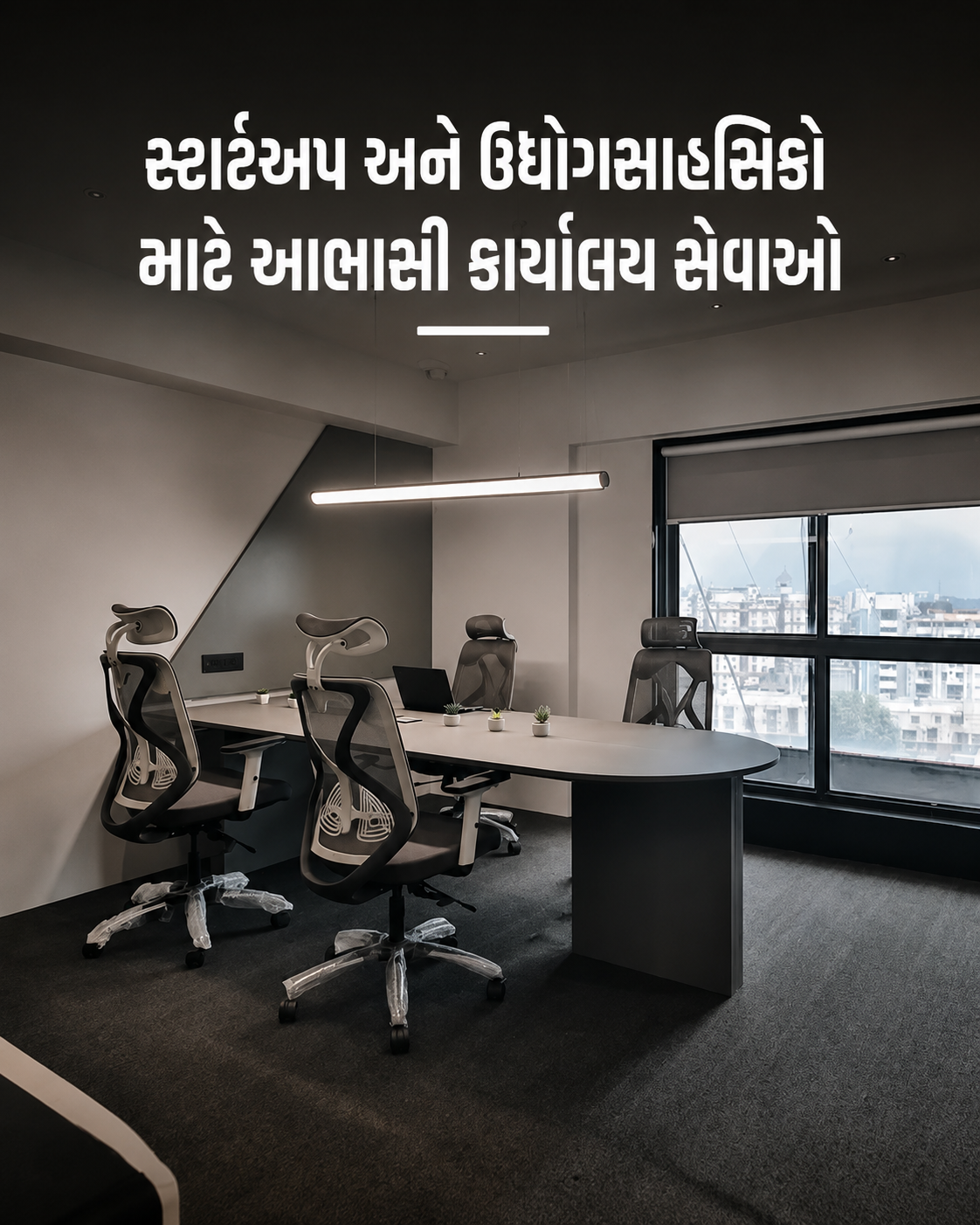
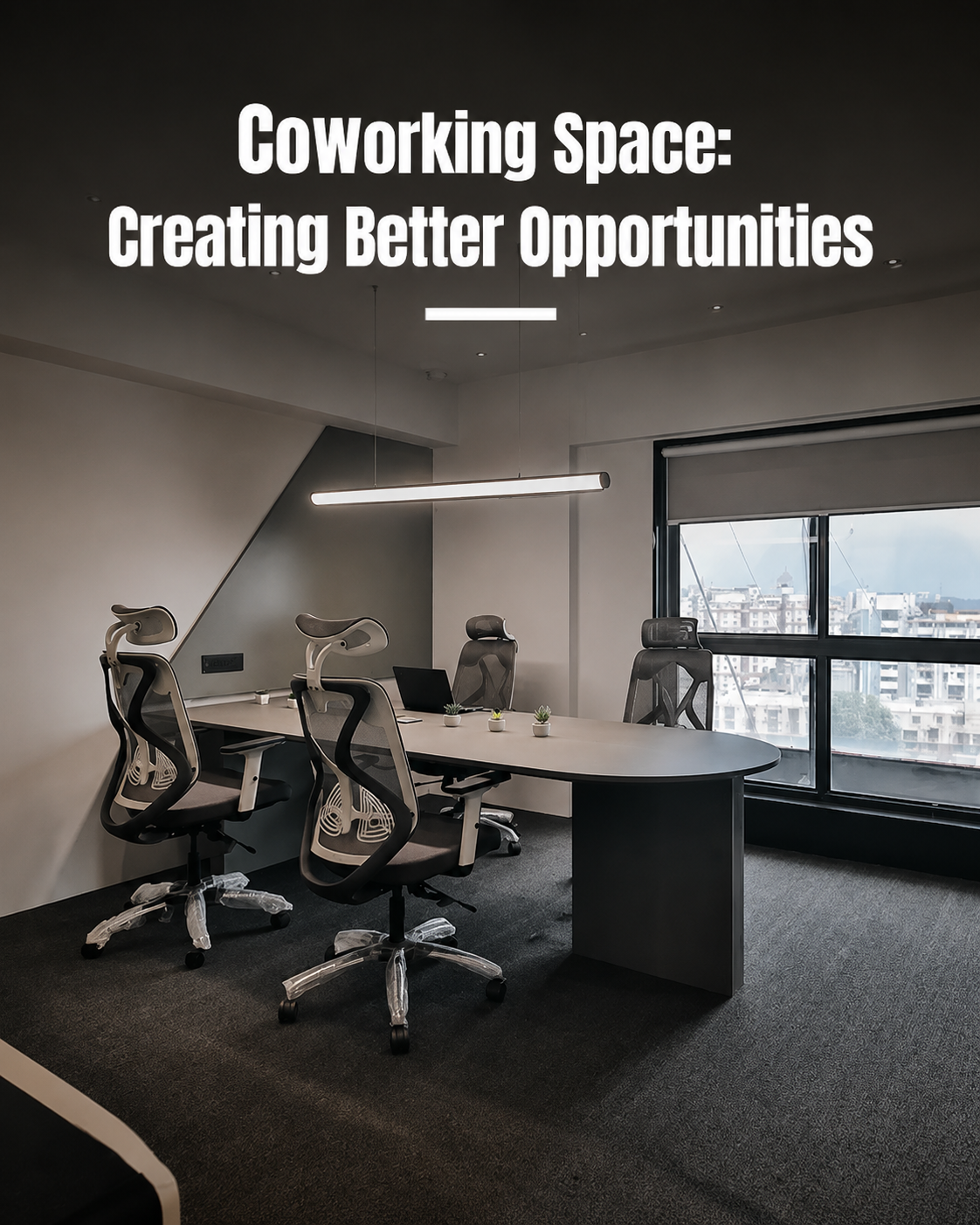
Enter co-working spaces—vibrant, flexible environments designed for productivity and networking. From solopreneurs to Fortune 500 companies, everyone is embracing shared workspaces for their ability to foster collaboration, creativity, and agility.
Today, the hybrid work model is the future. Employees split time between home, office, and co-working spaces. This setup maximizes productivity while offering flexibility—a win-win for both companies and workers.
No commute = more time for work and personal growth.
Customizable environment tailored to your needs.
Cost-effective, eliminating office rental expenses.
Isolation can hinder networking and professional growth.
Blurred work-life boundaries can lead to burnout.
Limited access to office-grade amenities.
Built-in community fosters networking, collaboration, and innovation.
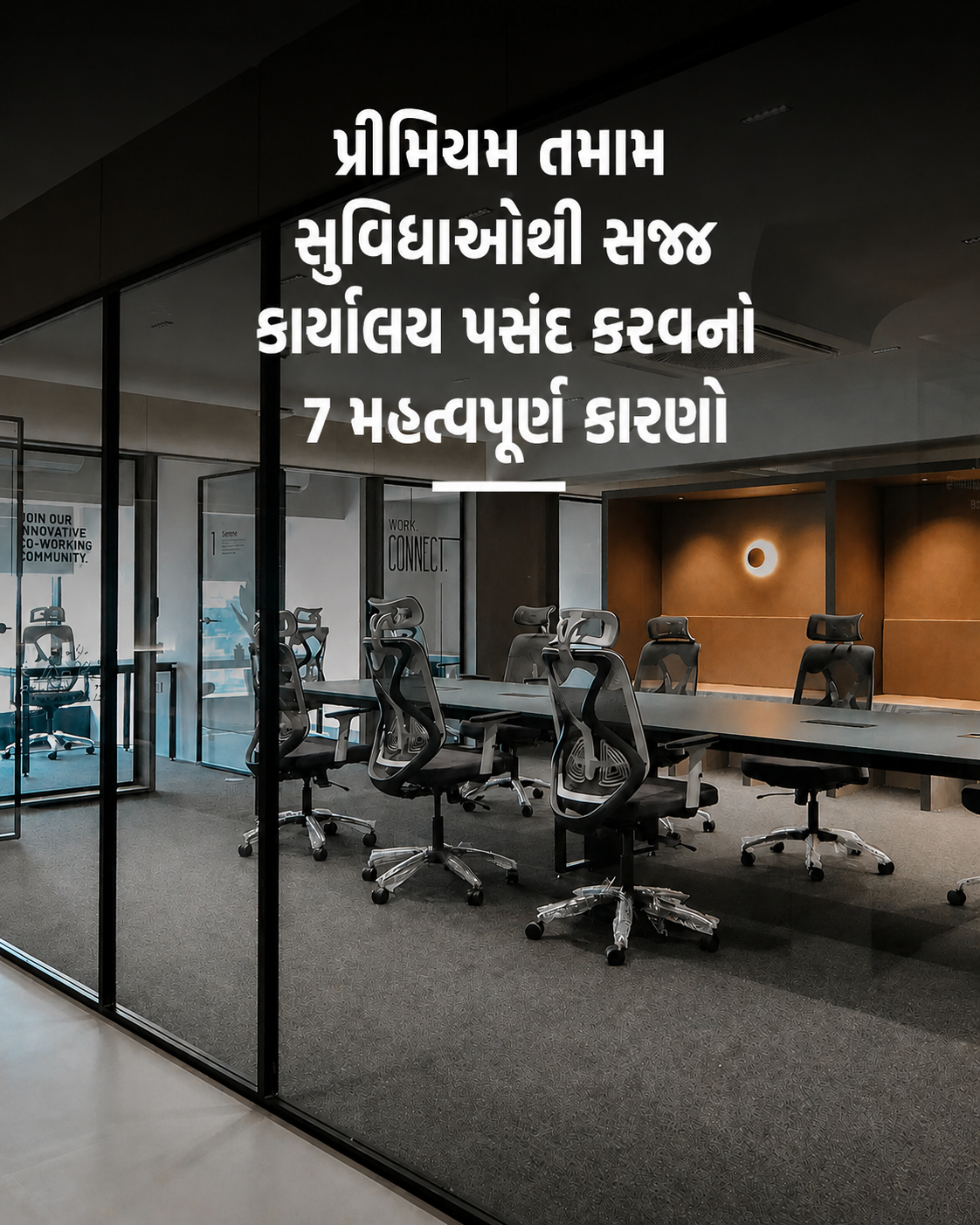
Access to premium amenities like high-speed internet, meeting rooms, and wellness programs.
Flexible membership plans accommodate different work styles.
Membership fees can add up.
Distractions from social environments may affect deep focus.
Best for: Entrepreneurs, startups, and remote teams seeking collaboration and networking.
Clear work-life separation and structured career development.
Access to corporate resources and mentorship opportunities.
Strong company culture and team collaboration.
Limited flexibility and rigid work hours.
Long commutes can be draining and time-consuming.
Best for: Employees who thrive in structured environments and value career progression within organizations.
Pros:
Combines the best of remote and in-office work.
Employees enjoy flexibility while maintaining social interaction.
Increased productivity with fewer distractions and more autonomy.
Requires strong time management skills.
Company policies may struggle to balance remote and in-person dynamics.
Airbnb’s Shift to a Remote-First Culture
When Airbnb transitioned to a remote-first model, they saved millions in office expenses while maintaining high employee engagement. Their secret? Investing in co-working stipends and virtual collaboration tools to ensure productivity and team bonding.
How Instagram Was Born in a Co-Working Space
Did you know Instagram started in a co-working space? The founders leveraged networking opportunities to connect with investors and industry experts, accelerating their startup’s success.
Microsoft implemented a hybrid work model, allowing employees to choose where they work best. The result? Increased productivity, improved employee satisfaction, and a stronger talent retention rate.
Smart offices with AI-driven workspace management will optimize productivity by adapting to employees’ needs in real-time.
Imagine attending meetings in a fully immersive VR office, where remote collaboration feels as real as in-person interaction.
Companies will offer workspace subscriptions, giving employees access to multiple locations worldwide—on-demand flexibility at its finest.
Businesses will establish localized work hubs to reduce commuting time and enhance work-life balance.
Your workspace is more than just a desk—it’s an investment in your career growth. Whether you thrive in a quiet home office, a bustling co-working space, or a structured corporate environment, the key is aligning your work setup with your goals. So, what’s your ideal work setup? Explore your options, test different environments, and optimize your workspace for maximum success.