Our Blog
Introduction: The Battle of Workspaces Begins Imagine this—you’re sipping your morning coffee in your pajamas, ready to tackle the day from your cozy home office. Meanwhile, across town, another professional is heading to a bustling co-working space, surrounded by entrepreneurs, freelancers, and remote workers. Which one leads to better productivity, motivation, and success? With flexible work options becoming the norm, choosing between a home office and a co-working space is a major decision. Each has its pros and cons, and the right choice depends on your work style, personality, and goals. Let’s dive deep into this debate and explore which setup truly fuels efficiency and success.
Before we compare the two, let’s take a step back. Workspaces have evolved dramatically:
Traditional Offices (Pre-2000s): Fixed cubicles, strict schedules, and long commutes defined professional life.
Rise of Remote Work (2010s): The internet and digital tools enabled professionals to work from anywhere.
The Co-Working Revolution (Mid-2010s - Now): Shared spaces became hotspots for collaboration, networking, and creativity.
Today, home offices and co-working spaces are the two dominant options for modern professionals. But which one reigns supreme?
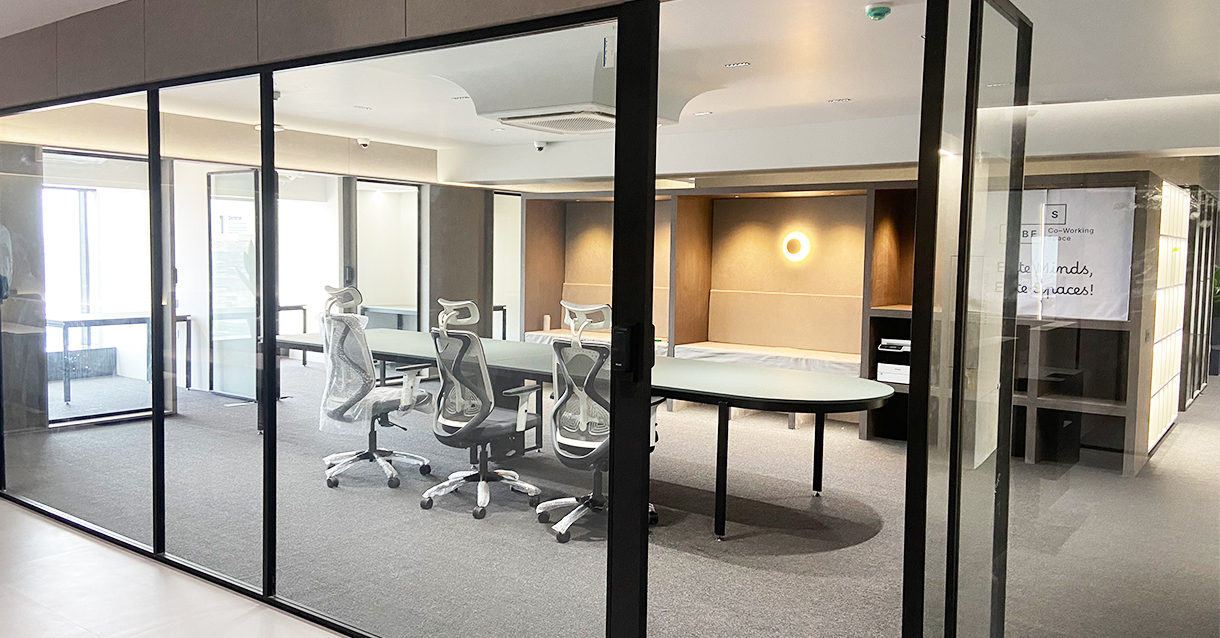
Co-working spaces are designed for focus and collaboration. Unlike home offices, where distractions lurk at every corner (hello, Netflix and unwashed dishes), co-working spaces create a structured, work-oriented environment.
Data Insight: A study by Deskmag found that 74% of co-working members feel more productive than when working from home.
One of the biggest advantages of co-working spaces is the built-in community. Whether you’re a freelancer, startup founder, or remote worker, being surrounded by like-minded individuals fosters motivation, creativity, and even business opportunities.
Example: Many startups, including Instagram and Uber, started in co-working spaces, leveraging the energy and expertise of their surroundings.
For those who struggle with work-life balance, having a designated workspace outside the home can be a game-changer. The simple act of commuting to a co-working space creates a clear boundary between work and personal life.
Co-working spaces offer high-speed internet, ergonomic furniture, meeting rooms, coffee bars, and even wellness programs, creating an optimal work environment.
The biggest appeal of a home office? Total control over your work environment. You set your schedule, choose your workspace aesthetics, and work in absolute comfort.
Unlike co-working spaces, which come with membership fees, a home office is virtually free. Plus, skipping the commute saves time, reducing stress and increasing productivity.
While co-working spaces foster collaboration, they can sometimes lead to social distractions. At home, you control your interactions. However, household chores, pets, and family members can become productivity killers.
If you thrive in quiet, uninterrupted environments, a home office can be the ultimate deep-work sanctuary. Writers, designers, and analysts often prefer this setup.
|
Factor |
Co-Working Space |
Home Office |
|
Productivity |
High (structured environment) |
Moderate (depends on discipline) |
|
Networking |
Excellent (collaboration & events) |
Limited (virtual networking needed) |
|
Cost |
Membership fees apply |
Minimal (setup costs only) |
|
Flexibility |
Fixed hours (depending on membership) |
100% control over schedule |
|
Distractions |
Moderate (social interactions) |
High (home-related distractions) |
|
Work-Life Balance |
Stronger (separation from home) |
Can blur work and personal life |
The future isn’t about choosing one or the other—it’s about blending both. Hybrid work models allow professionals to enjoy the structure of a co-working space while retaining the flexibility of home offices.
Trend Alert: Companies like Google and Microsoft are already offering employees flexible work options, allowing them to combine remote work with co-working memberships.
Ask yourself: Do you thrive in social environments or prefer solitude? Do you need networking opportunities, or do you work better alone? Are you self-disciplined enough to manage a home office effectively? Do you want to save money, or is the co-working experience worth the investment? Ultimately, the best choice depends on your personal work style. Try both and find what maximizes your efficiency and happiness!