Our Blog
This blog explains the real differences between a coworking space and a traditional office in 2026. It helps founders, startups, and growing teams evaluate cost, flexibility, productivity, and long-term value to decide which workspace model fits their business goals best. The comparison is practical, updated, and decision-focused without hype or promotion.

The way people work has changed dramatically. Remote teams, hybrid models, and flexible work expectations are now standard not exceptions. As businesses rethink where work happens, one question keeps coming up: is a coworking space better than a traditional office in 2026?
The answer depends on how your business operates today and how you plan to grow tomorrow.
Let’s break it down clearly.
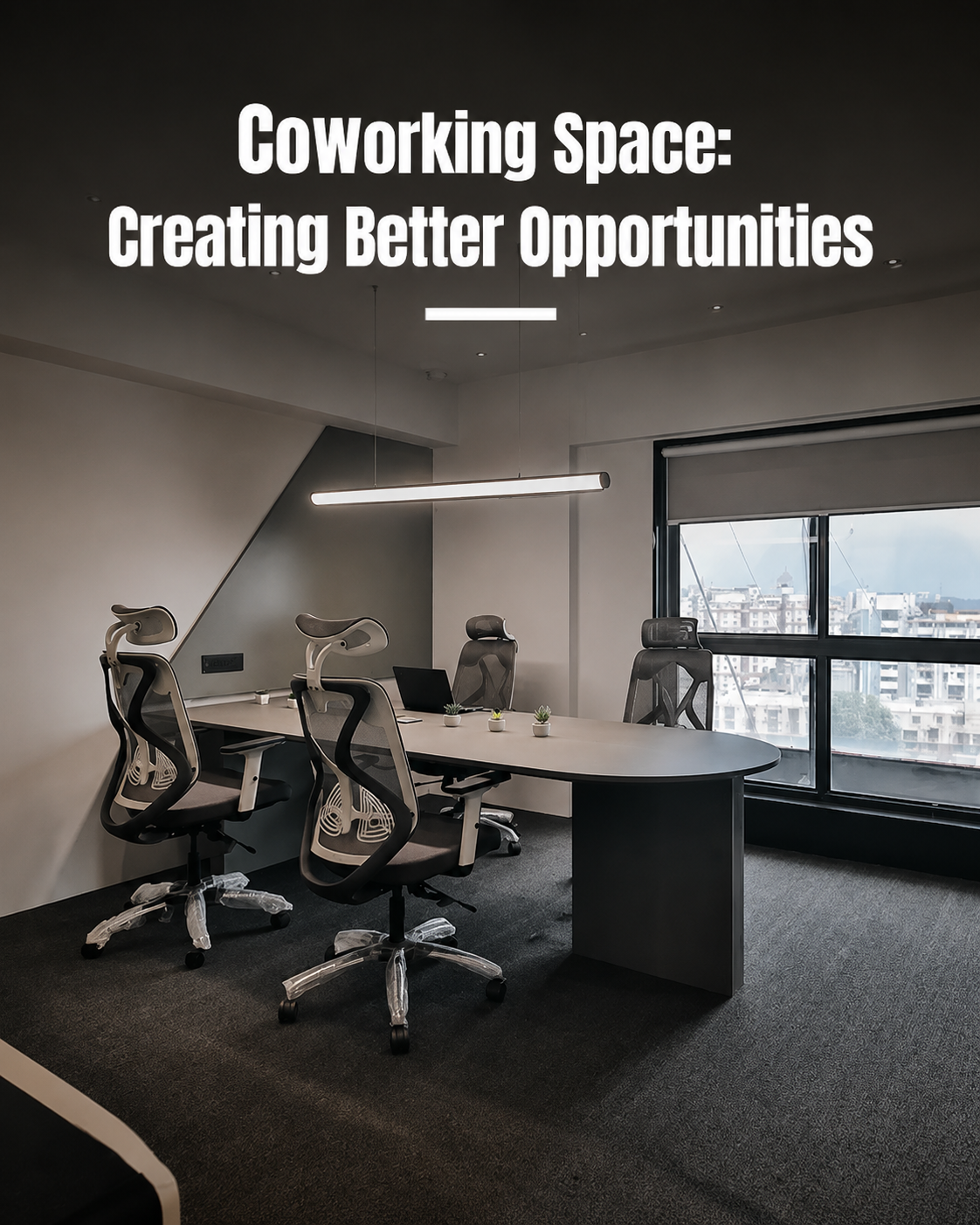
A coworking space is a shared, flexible workspace where individuals and companies work under short-term or membership-based arrangements.
Modern coworking spaces now offer:
Dedicated desks and private cabins
Meeting rooms and collaboration zones
High-speed internet, power backup, security
Community events and networking opportunities
Unlike earlier versions, coworking in 2026 is designed for serious business operations, not just freelancers.
A traditional office usually involves:
Long-term lease agreements (3–9 years)
Fixed seating and private layouts
Separate costs for utilities, furniture, maintenance, and IT
Limited flexibility once the space is set up
While still relevant for certain enterprises, traditional offices are no longer the default choice for every business.
Coworking Space Pay only for what you use No upfront setup or interior costs Utilities, internet, and maintenance included Traditional Office High initial investment Monthly rent + multiple operational expenses Long-term financial commitment For cost-sensitive startups, coworking spaces significantly reduce financial risk. Coworking spaces allow you to: Add or remove seats easily Upgrade from hot desks to private offices Scale without changing locations Traditional offices lock you into fixed square footage, making scaling either expensive or disruptive. This flexibility is a major reason many startups choose coworking solutions like those offered by 10turtle. Coworking environments encourage: Collaboration without forced interaction Focused work with shared amenities Exposure to diverse professionals and ideas Traditional offices provide: More privacy Stronger internal culture for large teams In 2026, many teams prefer controlled collaboration, which coworking spaces support better than rigid office layouts. With a coworking space, teams can: Move in within days Start working immediately Avoid setup delays Traditional offices may take weeks or months before becoming operational due to furnishing and infrastructure setup.
Key Differences: Coworking Space vs Traditional Office
1. Cost Structure
2. Flexibility & Scalability
3. Productivity & Work Culture
4. Speed to Start Operations
5. Long-Term Suitability
In 2026, coworking spaces are the smarter choice for most modern businesses. They offer flexibility, lower risk, faster setup, and better alignment with hybrid work models. Traditional offices still make sense for very large organizations with stable headcounts but for everyone else, coworking wins on efficiency and adaptability.