Our Blog
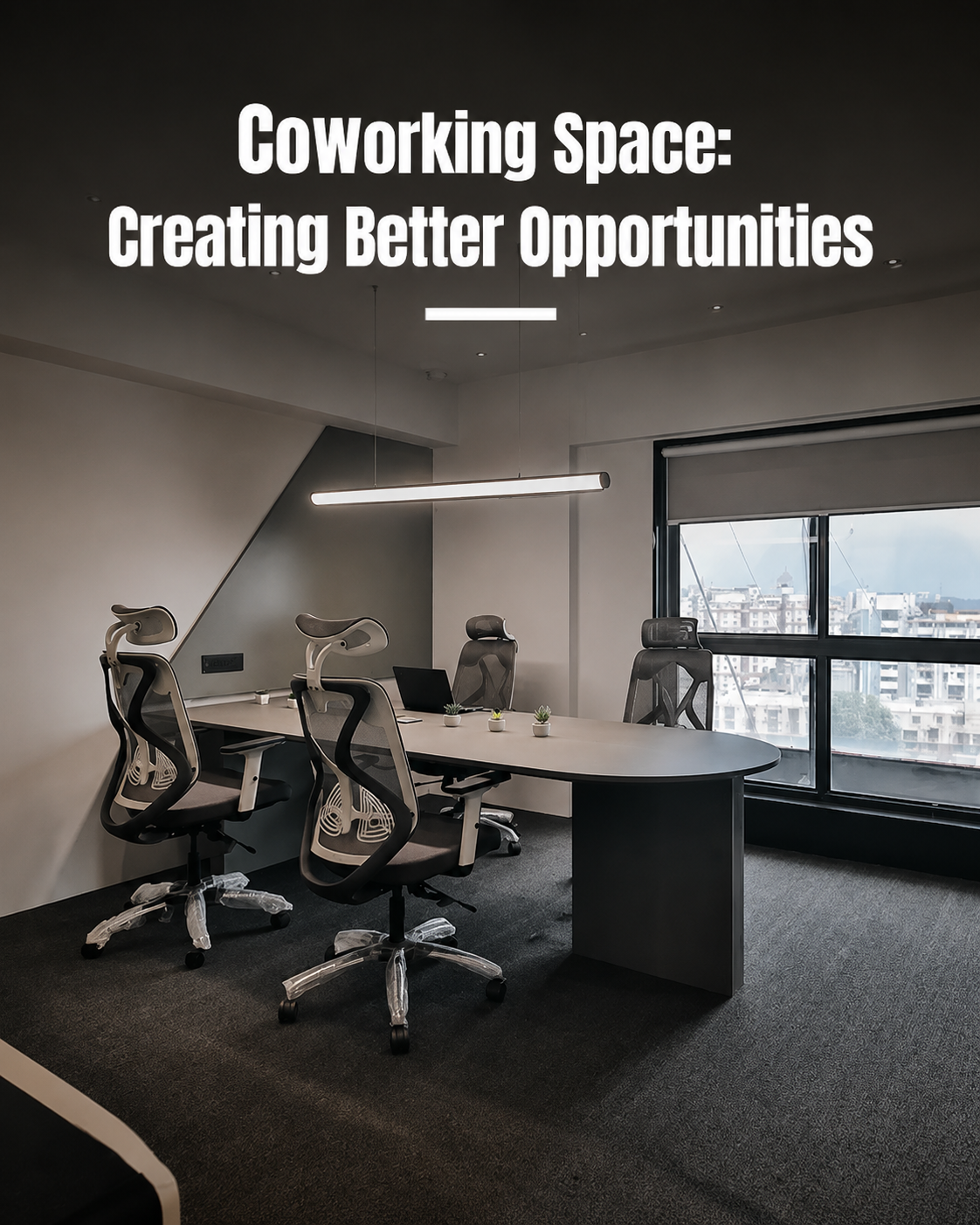
The Great Office Debate – Are You Keeping Up? Picture this: You’re an ambitious entrepreneur, and you have two choices—sign a long-term lease for a private office or step into a vibrant, flexible co-working space buzzing with innovation. Which one fuels success better? The way we work has undergone a seismic shift. Gone are the days when traditional office spaces were the only way to run a business. With the rise of co-working spaces, entrepreneurs now have a modern, flexible, and cost-effective alternative. But which option truly drives growth, productivity, and success? Let’s dive deep and settle the debate once and for all.
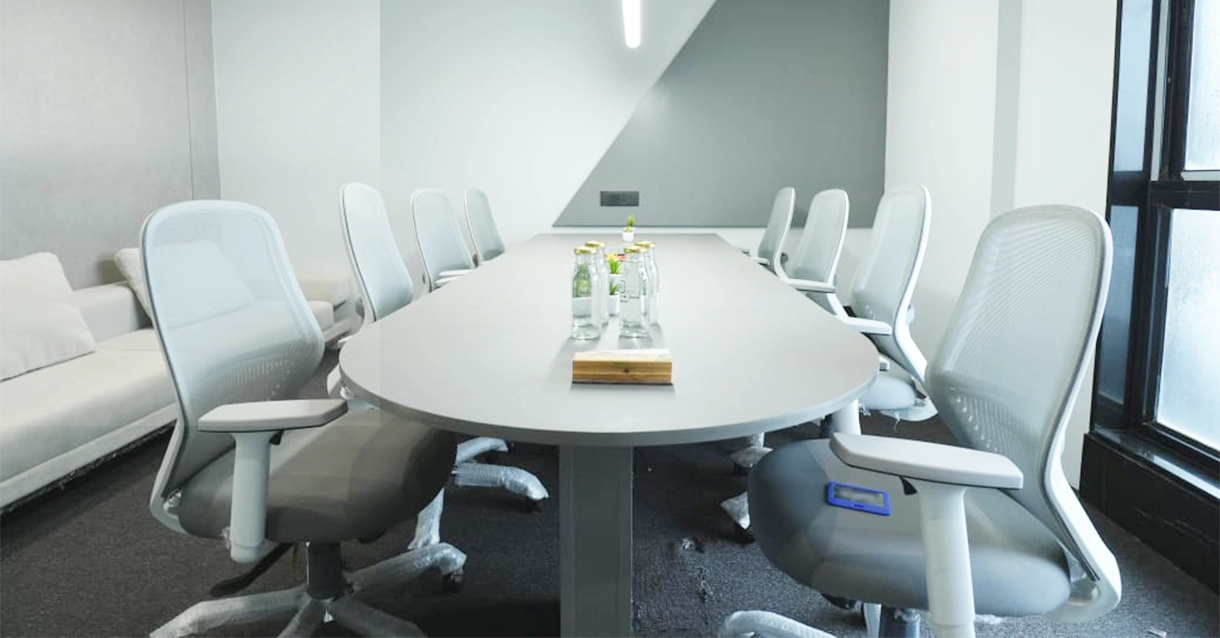
For decades, the traditional office was the cornerstone of business success. It symbolized stability, professionalism, and credibility. But it also came with a hefty price tag, rigid leases, and limited flexibility.
Fast forward to the 2010s, and co-working spaces started gaining momentum. What began as a niche concept for freelancers and digital nomads has evolved into a mainstream business model. Even major corporations are adopting hybrid workspaces to stay agile in a fast-changing world.
Traditional Office: Expensive leases, overhead costs, utilities, office furniture, and maintenance add up quickly.
Co-Working Space: Pay-as-you-go model, all-inclusive amenities, and zero long-term commitments. Winner: Co-Working (More budget-friendly for startups and growing businesses)
Traditional Office: Locked into long-term lease agreements, making expansion or downsizing difficult.
Co-Working Space: Scale up or down as needed, with the option of hot desks, private offices, or dedicated meeting rooms. Winner: Co-Working (Perfect for businesses that need agility)
Traditional Office: Limited to in-house employees, making external networking more challenging.
Co-Working Space: A diverse community of entrepreneurs, startups, freelancers, and remote teams fosters collaboration and new business opportunities. Winner: Co-Working (Great for organic networking and partnerships)
Traditional Office: Offers a focused work environment with fewer distractions but can feel isolating.
Co-Working Space: Provides dynamic workspaces but may have distractions depending on the layout and noise levels. Winner: Tie (Depends on individual work style and preferences)
Traditional Office: A dedicated address and private space enhance brand credibility.
Co-Working Space: Prestigious locations, professional meeting rooms, and flexible workspace options can still provide credibility. Winner: Traditional Office (Better for enterprises; co-working works well for startups)
🔹 Case Study 1: A Startup Scaling with Co-Working
TechX Solutions, a Surat-based AI startup, started with a team of 3 in a co-working space. Over two years, they expanded to 50 employees, using co-working flexibility to scale affordably while networking with industry peers.
🔹 Case Study 2: A Law Firm Sticking to Tradition
Shah & Partners, a legal consultancy, found that a traditional office provided the confidentiality and branding required for client trust, making it a better fit than a shared workspace.
Lesson: The best option depends on industry needs and business goals.
The Hybrid Model: Many businesses are combining co-working memberships with dedicated offices. Niche Co-Working Spaces: Expect industry-specific workspaces tailored for tech, design, law, and other sectors. Tech-Driven Workspaces: AI-powered smart offices, IoT-enabled workstations, and enhanced virtual collaboration tools.
If you need flexibility, affordability, and networking—Co-Working is the way to go. If privacy, brand image, and long-term stability are priorities—Traditional Office is your best bet. Pro Tip: Some of the most successful entrepreneurs use a hybrid approach, blending the best of both worlds. So, what’s your move? Explore top co-working spaces near you and step into the future of work today! Now it’s your turn! Which workspace model suits your entrepreneurial journey? Drop a comment below!