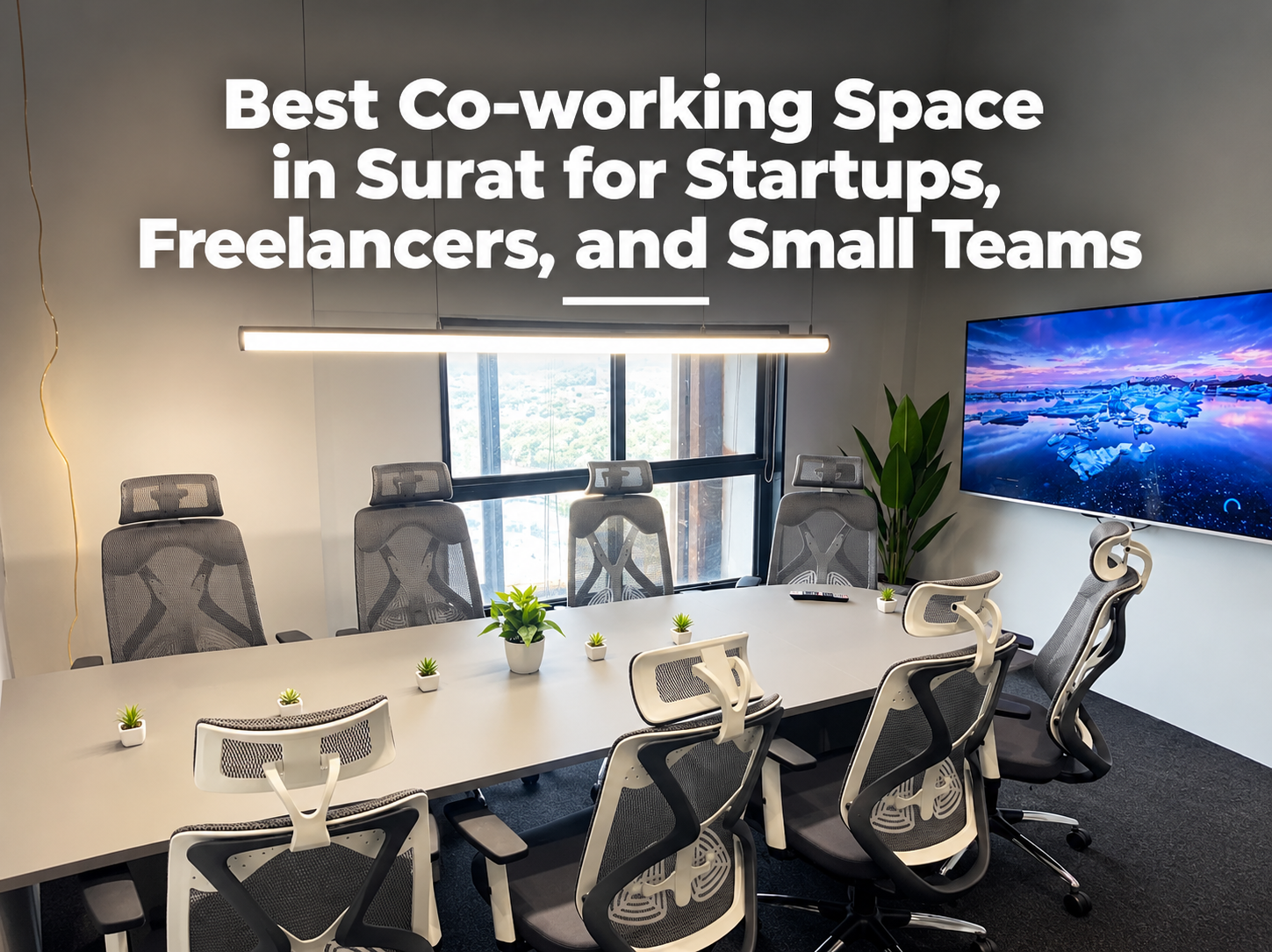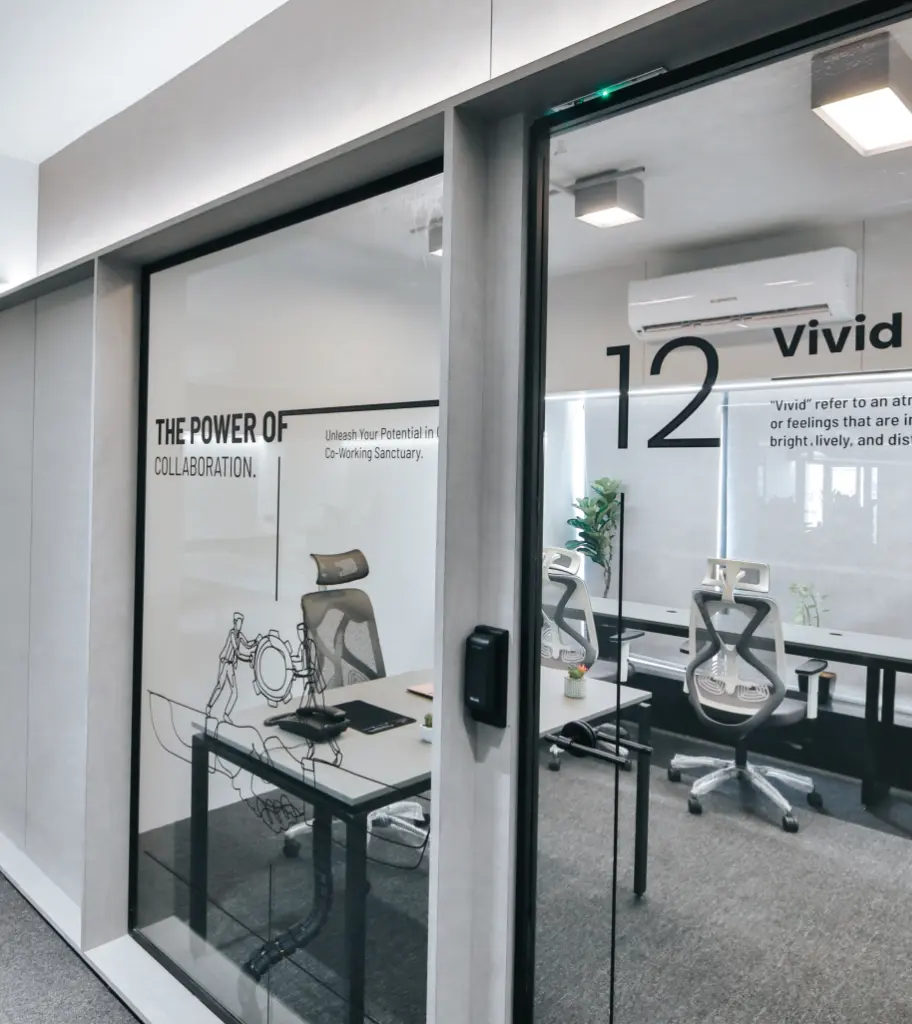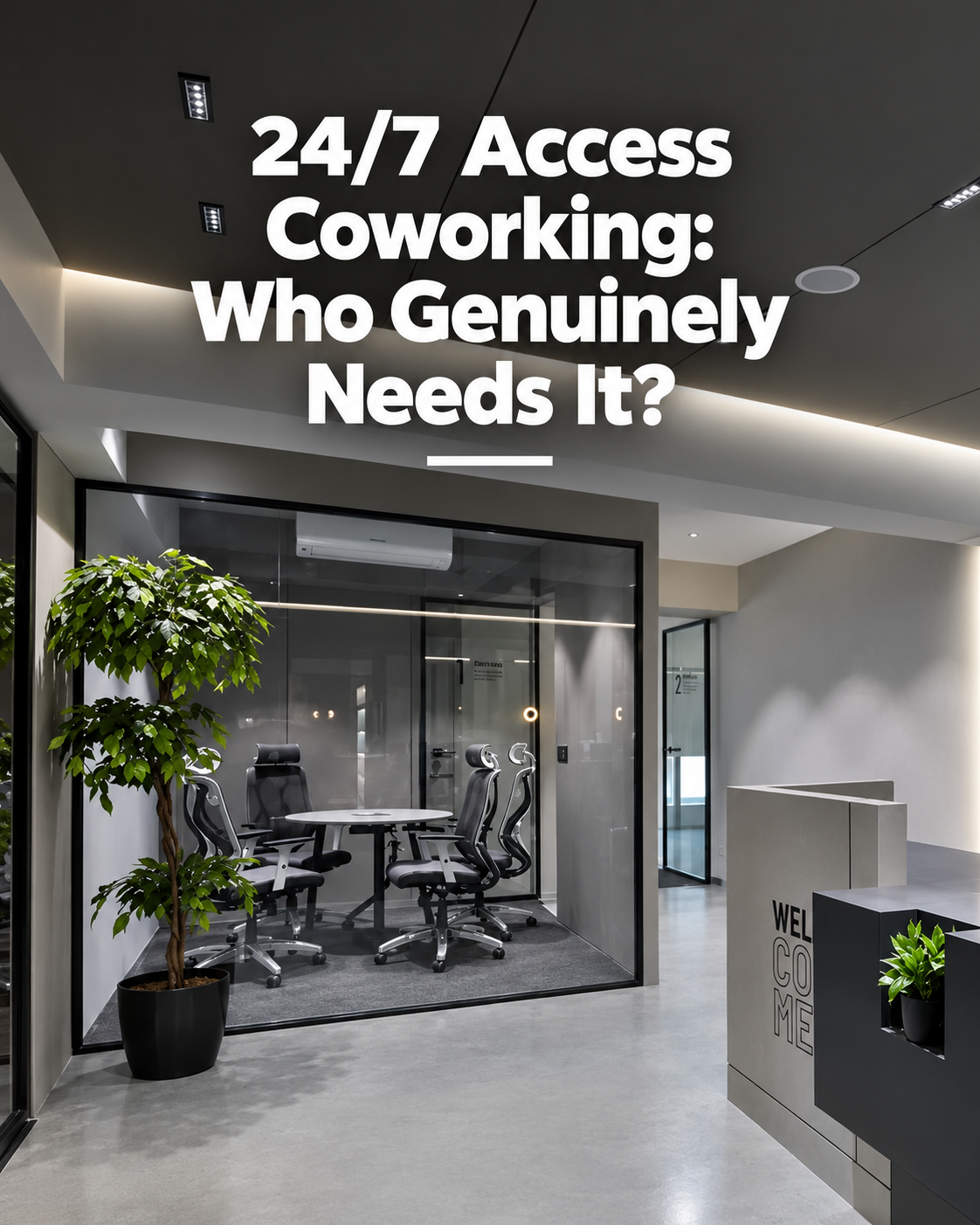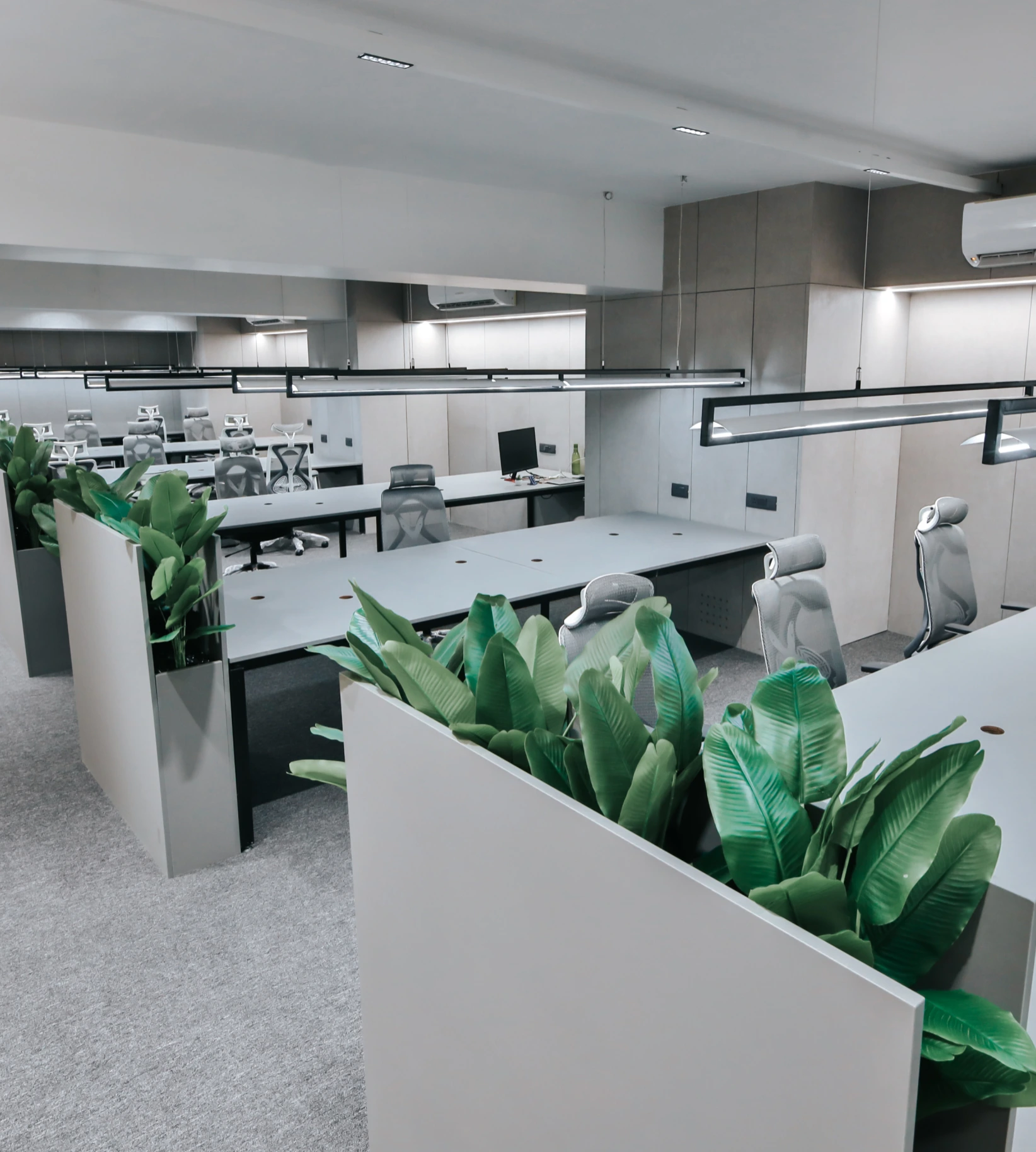
Before renting a furnished office near Surat Railway Station, check six things: the exact walking route and parking, what the furniture and services actually cover, the lease and lock-in terms, the full monthly cost, power and internet reliability, and whether the address can be used for your business registration. Visit the space on a working day and in the busy hours before you sign anything.
Why this location attracts businesses
The area around Surat Railway Station is a major transit point for the city. For teams with staff or clients travelling from other parts of Gujarat or other states, a workspace close to the station can cut commute time and make client meetings easier to schedule. That convenience is real, but it also means the area can be crowded and noisy at peak hours, so look at the trade-offs in person instead of relying on the map.
1. Check location and access
- Walking route: Walk from the station to the building at the time your team or clients would travel. Note road crossings, crowding and how clear the route is.
- Parking: Ask how many parking spots are included for cars and two-wheelers, and whether visitor parking exists. Parking is often the weak point in dense areas.
- Entry and signage: Check whether clients can find the building easily and whether your company name can appear on signage.
- Floor and lift: Confirm which floor the office is on, whether lifts work reliably, and what happens during a lift breakdown.
- Noise: Visit during rush hour and check how much traffic and station noise reaches the office.
2. Check what "furnished" really includes
"Furnished" is not a standard term. Ask for a written inventory of what is provided:
| Item | What to confirm |
|---|
| Desks and chairs | Number of seats, condition, ergonomic quality |
| Storage | Cabinets, lockers, lockable drawers |
| Meeting room | Included hours or paid separately |
| Pantry | Tea/coffee, water, refrigerator |
| Air conditioning | Working condition, who pays for electricity |
| Reception | Shared or dedicated, visitor handling |
| Cleaning | Frequency and who is responsible |
If something is promised verbally, ask for it to be written into the agreement.
3. Read the lease terms carefully
- Lock-in period: Check how many months you are committed to and what happens if your team shrinks or you need to leave early.
- Notice period: Confirm how much notice you must give before exit.
- Security deposit: Ask the amount, the refund conditions and the timeline for return. Get the deductions listed in writing.
- Rent increase: Check whether there is an annual escalation and how it is calculated.
- Seat changes: If you may add or remove desks, ask how that is handled and billed.
- Agreement type: Confirm whether it is a leave and licence agreement or a lease, and whether it is registered or stamped as required. For a legal opinion, consult a qualified lawyer.
4. Understand the total monthly cost
The base rent is rarely the full cost. Ask for a written breakdown of:
- Rent per seat or per cabin
- Maintenance charges
- Electricity, whether included or metered
- Internet charges
- Parking charges
- Meeting room charges
- GST on all of the above
- Any one-time charges such as setup, branding or access cards
Compare two or three options using the same total-cost format, not just the headline rent.
5. Test power and internet
- Ask about power backup: generator or inverter, how many hours, and whether it covers AC and lights or only essential points.
- Run a speed test on the office Wi-Fi during your visit, and ask whether the connection is dedicated or shared.
- Ask whether there is a backup internet line, since downtime directly affects work.
- Check the number of power sockets per desk and whether wiring looks safe.
6. Check legal and compliance points
- Address for registration: If you need the office address for GST registration or company registration, ask whether the owner will provide the required documents, such as ownership proof and a no-objection letter. Check requirements with your CA.
- Fire safety: Look for visible fire extinguishers, clear exits and signage. Ask whether the building has the required fire safety approvals.
- Building approvals: Ask whether the building is approved for commercial use.
- Insurance: Ask who is responsible for loss or damage to your equipment.
7. Do a proper site visit
Take this list with you:
- Visit on a weekday between 10 am and 6 pm.
- Meet the actual manager, not only the sales contact.
- Talk to a current tenant if possible.
- Check washrooms, lifts and common areas for upkeep.
- Test mobile network inside the office.
- Sit at a desk for ten minutes and check comfort, light and noise.
- Ask for the draft agreement in advance and read it before you pay any token amount.
8. Red flags
- The owner won't share a written inventory or cost breakdown
- Unclear or very high deductions from the security deposit
- No clear answer on fire safety or building approvals
- Pressure to pay a token amount the same day
- Verbal promises that don't appear in the agreement
- Reluctance to let you speak with current tenants
Which type of tenant should prioritise what?
- Startups and small teams: Flexibility, short lock-in and total cost matter most.
- Sales or branch offices: Visitor access, parking and reception support matter most.
- Freelancers and consultants: Meeting room availability, internet and a professional address matter most.
FREQUENTLY ASKED QUESTIONS
Q1: What is the first thing to check when renting a furnished office near Surat Railway Station?
Answer: Start with access and the written list of what is included. Walk the route from the station at a busy hour, confirm parking, and ask for a written inventory of furniture and services before discussing price.
Q2: Is the security deposit refundable?
Answer: It depends on the agreement. Ask for the amount, the conditions for refund, the list of possible deductions and the return timeline in writing before you pay.
Q3: Can I use a furnished office address for GST registration?
Answer: Often yes, but it depends on the owner providing the required documents, such as proof of ownership or consent. Confirm this before signing and check the current requirements with your CA.
Q4: How long should the lock-in period be?
Answer: There is no standard period. Shorter lock-ins give flexibility but may cost more per month. Choose based on how certain your team size and plans are.
Things to Check Before Renting a Furnished Office Near Surat Railway Station
Before renting a furnished office near Surat Railway Station, check the location, parking, furniture, lease agreement, total rental costs, internet connectivity, power backup, and legal requirements. Follow this essential checklist to avoid hidden charges, identify potential issues, and choose a suitable workspace for your business.