Our Blog
A hot desk office space is becoming a common choice in 2025 as work becomes more flexible.This blog explains the real cost, flexibility, and productivity impact of hot desking so professionals can decide if it’s the right fit for their work style.
The way people work has changed permanently.
In 2025, fewer professionals are working from traditional offices five days a week. Hybrid schedules, freelance work, and remote roles are now common. As a result, many people are rethinking whether paying for a fixed office desk actually makes sense.
This is where hot desk office space comes into the conversation.
Hot desking promises lower costs, flexibility, and access to professional infrastructure but does it actually deliver on productivity and value?
This blog breaks it down clearly so you can decide whether hot desking is worth it for you in 2025.
A hot desk office space is a flexible workspace model where you don’t get an assigned desk.
Instead:
You choose any available desk when you arrive
Seating is shared among multiple users
You pay for access, not ownership of a desk
Hot desking is commonly offered inside coworking spaces, alongside options like dedicated desks and private offices.
If you’re new to coworking, this model usually sits at the entry-level of flexible workspaces.
Hot desking isn’t a trend, it's a response to how people work today.
Here’s why it’s growing:
Fewer people work fixed hours
Teams are smaller or distributed
Professionals want professional spaces without long leases
Businesses want to reduce unused office costs
For many, a flexible coworking space makes more sense than renting or maintaining a full-time office.
Hot desk office spaces are usually priced:
Daily
Weekly
Monthly
They are consistently cheaper than:
Dedicated desks
Private offices
Traditional leased offices
You’re paying for access, not exclusivity.
Hot desking reduces costs you don’t immediately think about:
No long-term lease commitments
No electricity or internet bills
No maintenance or cleaning expenses
No furniture investment
Compared to working from home, you also avoid:
Upgrading internet plans
Power backup costs
Home distractions affecting work quality
Hot desking is not the cheapest option, but it’s often the best value-for-money.
Flexibility is where hot desk office space truly shines.
You can:
Work only on days you need a workspace
Change schedules without penalty
Scale usage up or down easily
This is ideal for:
Hybrid employees (2–3 office days/week)
Freelancers and consultants
Startup founders in early stages
If your workdays vary, paying for a fixed desk often means paying for unused space.
This is the most common concern and the answer depends on how you work.
Hot desk office spaces can increase productivity when:
Home distractions are high
Internet reliability is critical
You need a professional environment
Your work is laptop-based
Most coworking spaces also offer:
Quiet zones
Call booths
Meeting rooms
This structure helps many people focus better than at home.
Hot desking may not suit you if:
You need dual monitors or fixed setups
You require storage
You prefer personalization
You work full-time from the same location
Best for flexibility
Lowest cost
No fixed seat
Same desk every day
Mid-range pricing
Some personalization
Full privacy
Highest cost
Best for teams
If flexibility matters more than ownership, hot desking usually wins.
Hot desking is ideal for:
Freelancers
Remote employees
Early-stage startups
Consultants
Professionals working 2–4 days/week
It’s not ideal for:
Full-time office-based teams
People needing fixed equipment
Roles requiring confidentiality all day
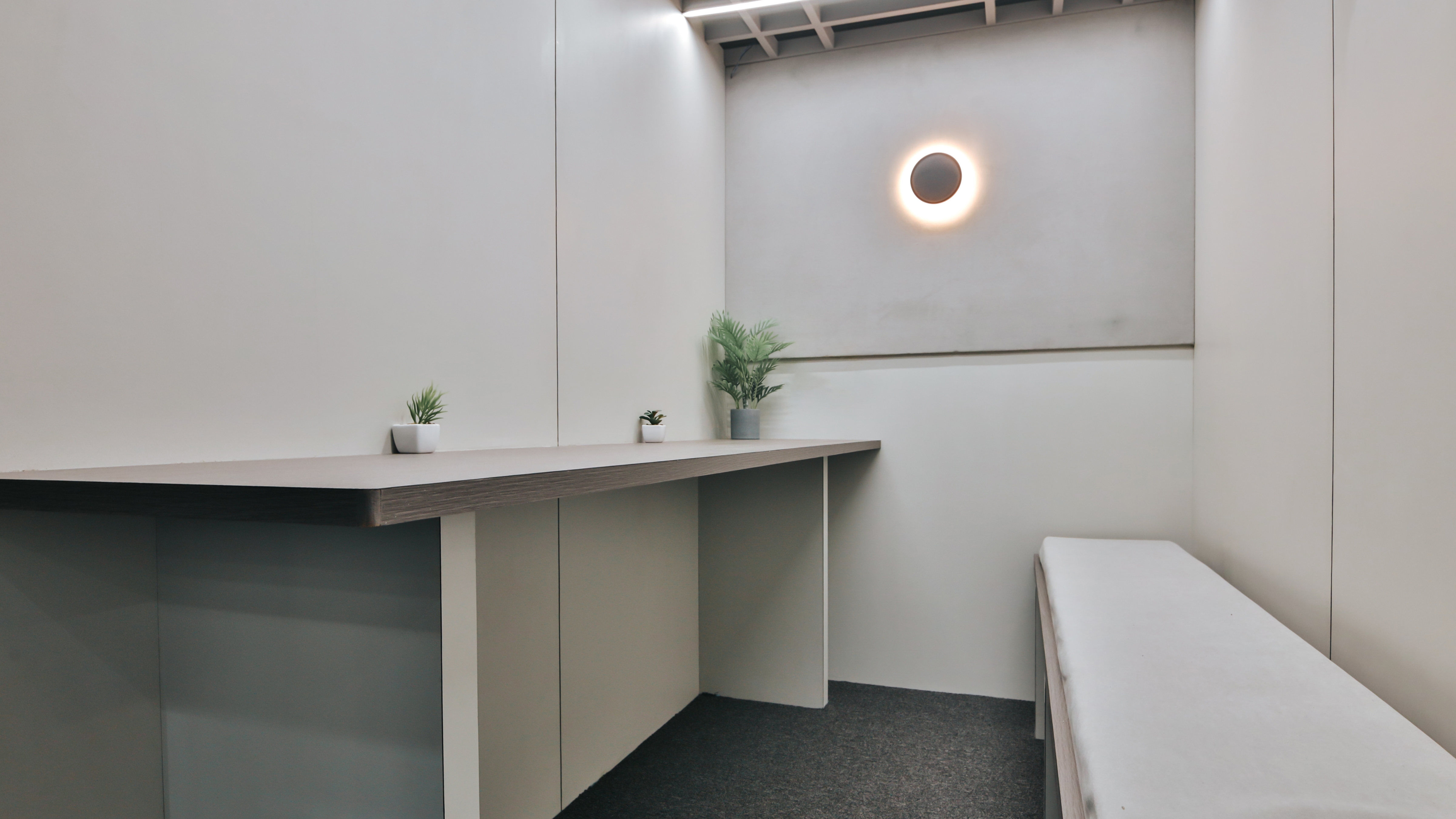
Not all hot desk office spaces are equal.
Before choosing one, check:
Desk availability during peak hours
Internet speed consistency
Power backup
Seating comfort
Noise management
Trial access
A one-day trial often reveals more than a brochure.
A-1. if your work doesn’t require fixed equipment or storage. Many professionals use hot desks daily without productivity issues.
A-2. Hot desk pricing is usually the most affordable coworking option, with daily and monthly plans depending on location and amenities.
A-3. For many people, yes. Hot desking offers better focus, professional infrastructure, and fewer distractions than home setups.
A-4. It can improve concentration in well-designed spaces with quiet zones, but may not suit those who need silence all day.
A-5. People needing fixed desks, large setups, or daily privacy may prefer dedicated desks or private offices.
A-6. Yes. As hybrid and flexible work models continue, hot desking will remain a core workspace option.
A hot desk office space is worth it in 2025 if: You value flexibility You want lower costs You don’t need a fixed setup You want a professional environment without commitment It’s not about replacing all offices, it's about choosing the right workspace for how you actually work. For many professionals today, hot desking fits that reality perfectly.