Our Blog
Choosing between managed office space and coworking space can feel confusing, especially for growing teams.This blog clearly explains the real difference between managed office space vs coworking space, helping businesses understand which setup fits their team size, work style, and long-term goals.
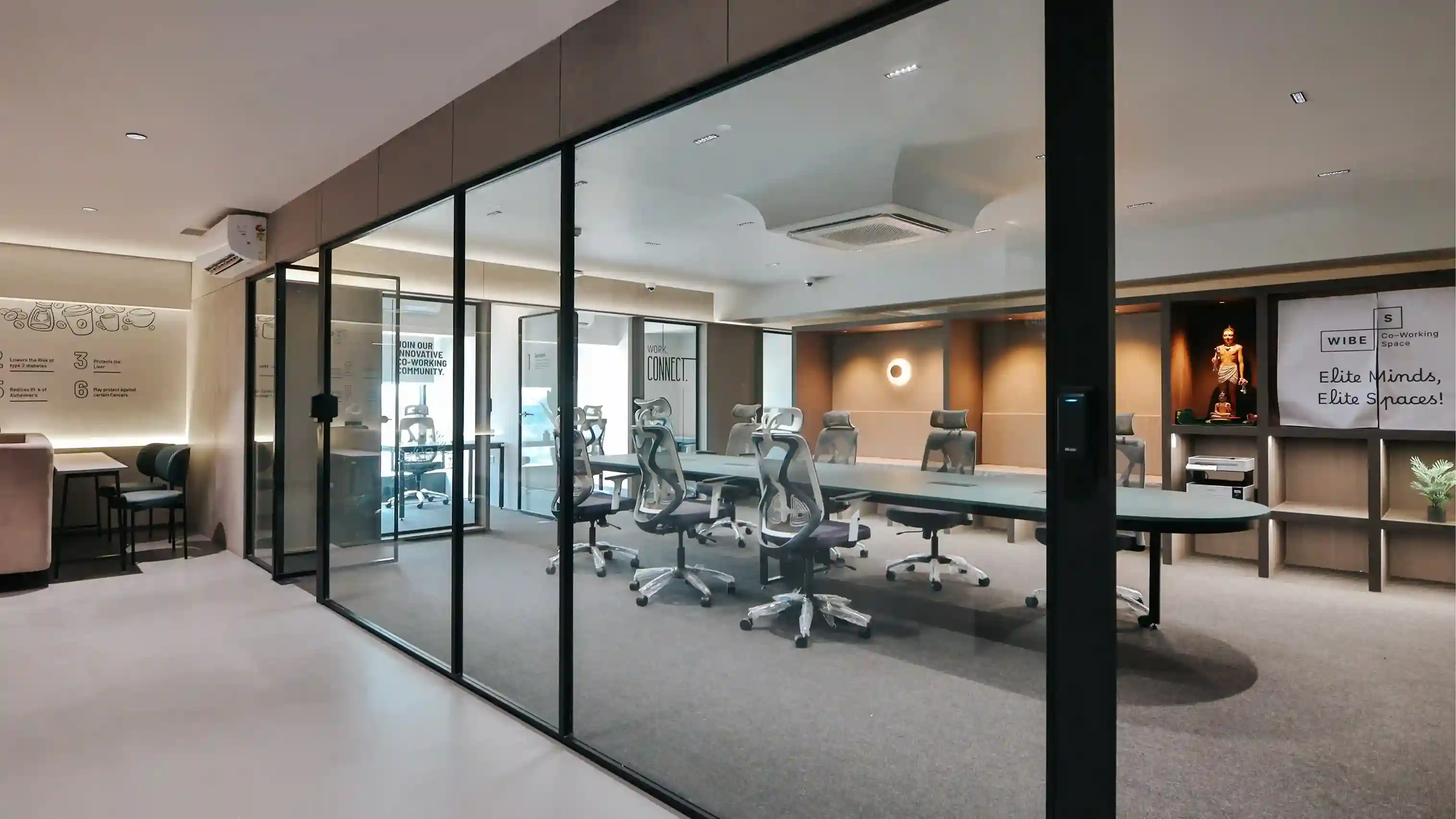
Modern businesses no longer choose offices just for location. They choose them for productivity, flexibility, privacy, and scalability.
Yet many teams struggle to decide between managed office space and coworking space because both fall under “flexible workspace.”
In reality, they serve very different business needs.
This guide breaks down the real, practical difference, without hype.
A coworking space is a shared workspace where individuals or small teams work independently while sharing common facilities.
Coworking spaces prioritize flexibility and networking, not control.
A managed office space is a fully serviced, private office designed exclusively for one company.
Managed offices give you ownership-like control without operational burden.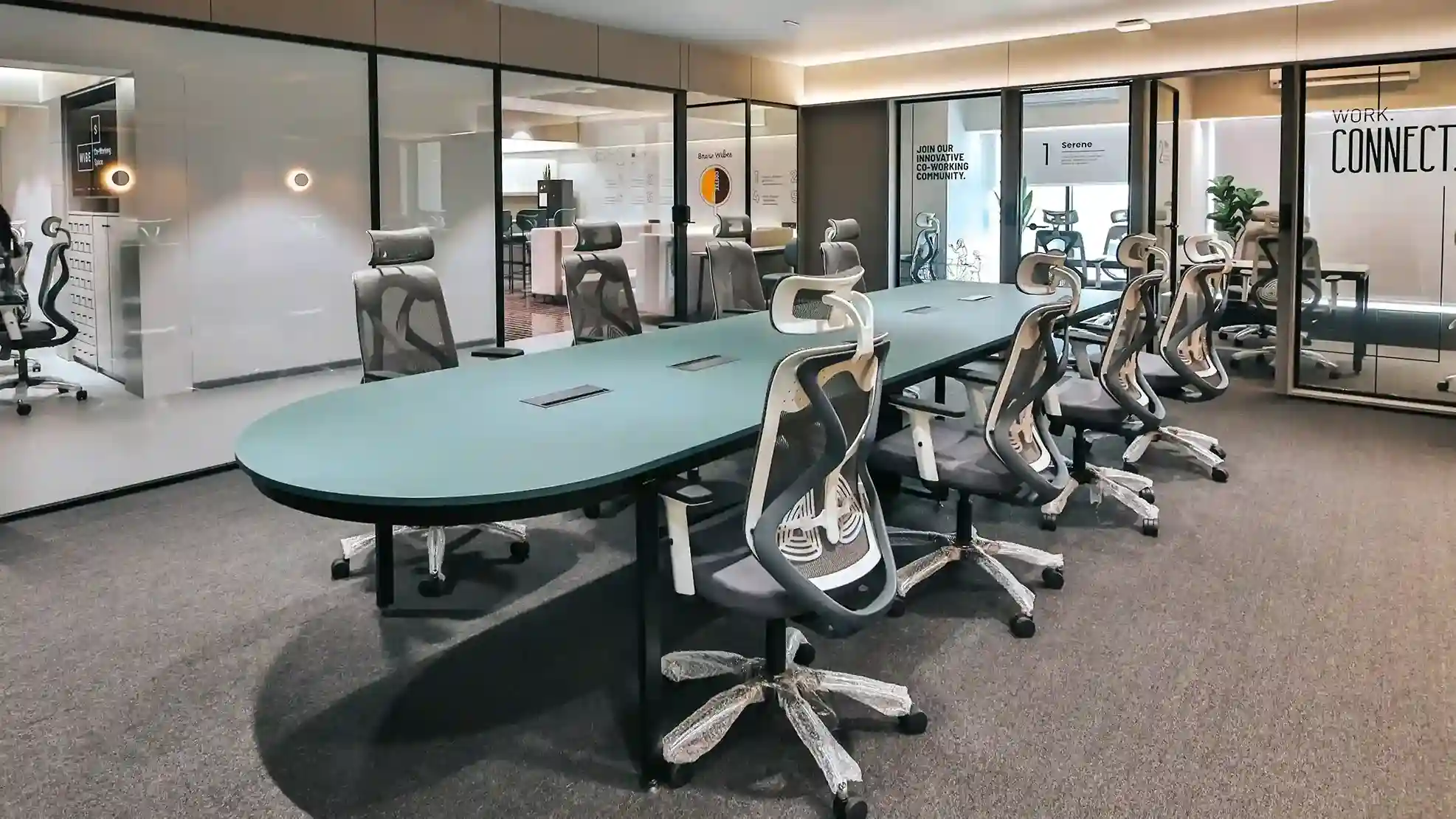
Coworking Space
Managed Office Space
Businesses handling data, calls, or internal operations benefit more from managed offices.
Coworking Space
Managed Office Space
Managed offices strengthen brand presence.
Coworking Space
Managed Office Space
Teams scale more efficiently in managed office spaces.
Coworking Space
Managed Office Space
Choose based on business maturity.
Coworking Space
Managed Office Space
Most companies start with coworking and move to managed office spaces as they grow.
This transition is where platforms like Wibes focus helping teams move into managed offices smoothly.
Q-1. What is the main difference between managed office space and coworking space?
A-1. The main difference is privacy and control. Coworking spaces are shared, while managed office spaces are private, dedicated offices designed for one company.
Q-2. Is managed office space suitable for startups?
A-2. Yes. Startups often move to managed office spaces when their team grows and they need privacy, branding, and operational stability.
Q-3. Which option is more cost-effective for teams?
A-3. For individuals, coworking is cheaper. For teams, managed office space offers better cost predictability and scalability.
Q-4. Can businesses switch from coworking to managed office later?
A-4. Absolutely. Many businesses begin in coworking spaces and transition to managed offices as their needs evolve.
Q-5. Is coworking space good for long-term use?
A-5. Coworking works well short-term. Long-term teams often face privacy and productivity challenges.
Q-6. Does managed office space include maintenance and IT?
A-6. Yes. Managed office spaces typically include utilities, IT support, housekeeping, and facility management.
Understanding the difference between managed office space and coworking space helps businesses choose more than just a place to work. It helps them choose a setup that supports focus, growth, and long-term stability without compromising flexibility.The right decision today shapes how efficiently your team works tomorrow.