Our Blog
Introduction: Why Your Workspace Setup Matters More Than You Think Imagine walking into a co-working space that feels just right. The meeting rooms are sleek and well-equipped, the lounge areas exude creativity, and every corner is designed for productivity and collaboration. Now, picture the opposite: a cramped, noisy space with nowhere to take an important call or brainstorm with your team. Frustrating, right? The truth is, the right workspace isn’t just about aesthetics—it directly impacts how you work, collaborate, and innovate. Whether you're a solo entrepreneur, a startup team, or a remote worker, finding the perfect balance between meeting rooms, lounge areas, and communal spaces can be the game-changer you didn’t know you needed. Let’s dive into how to find the right fit for your workflow, productivity, and business growth.
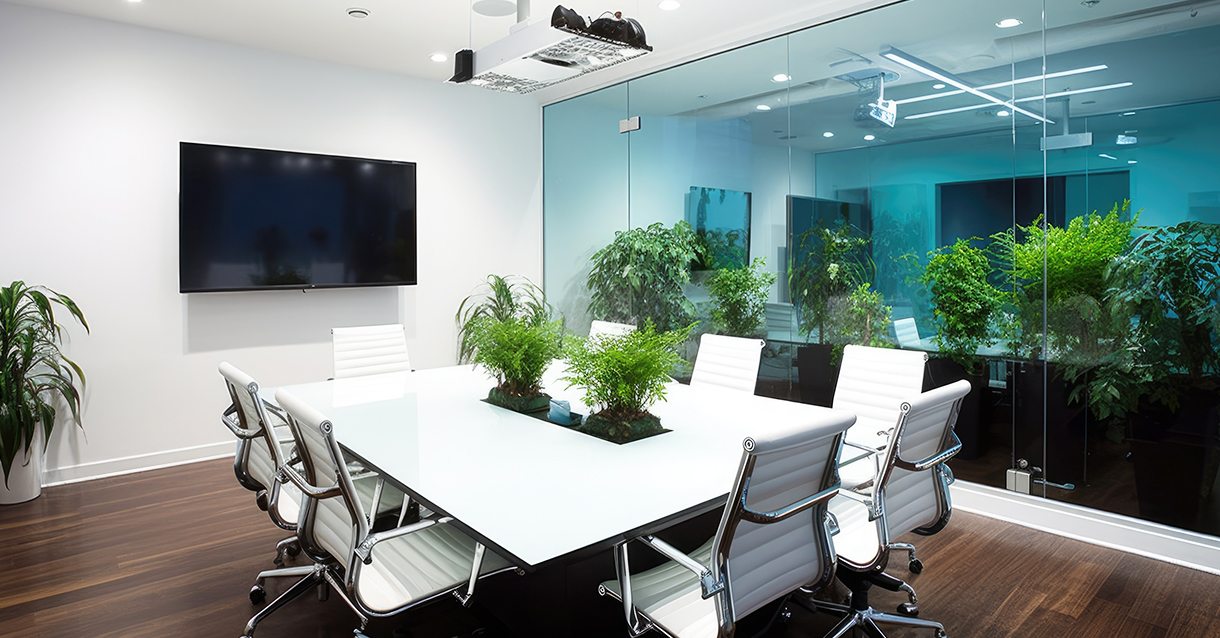
Meeting rooms aren’t just spaces with a table and chairs; they are where ideas are born, deals are sealed, and strategies take shape. The best co-working spaces offer versatile, tech-enabled meeting rooms tailored to different needs.
What Makes a Great Meeting Room?
Soundproofing & Privacy: No distractions, no eavesdropping.
High-Speed Internet & Video Conferencing Tools: Essential for hybrid teams.
Whiteboards & Smart Screens: For seamless brainstorming sessions.
Flexible Seating Arrangements: From boardroom-style to casual huddle spaces.
Pro Tip: Look for meeting rooms with on-demand booking systems to avoid scheduling hassles.
Case Study: WeWork’s Meeting Room Strategy
Meeting rooms feature AI-powered booking systems, automated lighting, and noise-canceling technology, ensuring a frictionless experience for teams of all sizes. Their data shows a 25% increase in meeting efficiency when using smart scheduling and tech-enhanced spaces.
Lounge areas are more than just spaces to unwind—they are breeding grounds for innovation and networking. The best co-working spaces understand that casual conversations often lead to breakthrough ideas.
The Key Elements of a Productive Lounge Area
Comfortable, Flexible Seating: Encourages spontaneous discussions and relaxation.
A Mix of Quiet & Social Zones: Catering to different work styles.
Coffee & Snack Bars: Fuel for creativity and connection.
Natural Lighting & Greenery: Boosts mood and focus.
Trending: The Rise of Hybrid Lounge-Workspaces
Leading co-working spaces are integrating work pods, standing desks, and soundproof booths within lounge areas, allowing members to seamlessly switch between casual chats and deep focus work.
"The most innovative ideas don’t come from boardrooms—they happen over coffee and chance encounters. That’s why dynamic lounge spaces are becoming a must-have in modern workspaces." — Emily Carter, Workplace Design Expert
Many professionals face the dilemma: hot desk or dedicated desk? The answer depends on your work habits and need for consistency.
Hot Desks: Best for Flexibility & Networking
Ideal for freelancers and remote workers.
Encourages interaction and a dynamic work environment.
Cost-effective for those who don’t need a permanent setup.
Perfect for those who need a consistent workspace.
Provides a personal, secure setup for equipment and documents.
Reduces the daily hassle of finding a spot.
Future Outlook: The Blended Approach
More co-working spaces are merging hot desk areas with reserved sections, giving members the best of both worlds—flexibility without the uncertainty.
For businesses scaling up, private offices within co-working spaces provide a hybrid solution: the perks of a shared environment with the exclusivity of a dedicated space.
Who Benefits the Most?
Growing startups needing a branded office without a long-term lease.
Remote corporate teams who require occasional in-person collaboration.
Consultants & creatives who need privacy for deep work.
Customizable layouts for team dynamics.
Access to shared amenities (meeting rooms, lounges, cafes).
Cost-effective compared to traditional office leases.
Case Study: How Spotify Used Co-Working Spaces to Scale
Before opening global offices, Spotify utilized private office suites in co-working spaces to establish new teams in key markets. This allowed them to scale 40% faster than traditional office expansion models.
The co-working industry is evolving at lightning speed, and the future holds even more exciting possibilities.
What’s Next?
Smart Meeting Rooms: AI-driven scheduling, facial recognition entry, and real-time transcription.
Wellness-Focused Lounge Areas: Incorporating biophilic design, meditation pods, and ergonomic furniture.
Augmented Reality (AR) Workspaces: Virtual collaboration spaces for remote teams worldwide.
Hybrid Memberships: Access to multiple co-working spaces globally, ensuring flexibility for digital nomads.
FOMO Alert: The best workspaces of the future are already here. If your current setup isn’t inspiring you, it might be time for an upgrade.
Whether you need a high-tech meeting room, a vibrant lounge space, or a private office, finding the right balance is essential for your productivity and growth. The best co-working spaces don’t just provide desks—they create ecosystems that fuel creativity, efficiency, and success. So, what does your ideal workspace look like? Drop a comment below or explore our recommended co-working spaces to experience the future of work firsthand.