Our Blog
Introduction: The Rise of Workspaces That Feel Like Home Picture this: You step into a workspace where plush seating, warm lighting, and vibrant greenery create an atmosphere that feels less like an office and more like a cozy, high-energy lounge. Teams are brainstorming over coffee in a sunlit corner, while others are engaged in deep work at adjustable standing desks. Welcome to the new era of workspaces—where comfort and collaboration are the name of the game. Gone are the days of cold, sterile offices with rigid cubicles. Today’s workforce craves environments that blend productivity with well-being, and the best workspaces are rising to the challenge. But why is this shift happening, and how does it impact both employees and businesses? Let’s dive in.
A Brief History of Workplace Design
1960s-1980s: The era of cubicles, designed to maximize space but often isolating employees.
1990s-2000s: Open-plan offices gain popularity, promoting teamwork but sometimes leading to distractions.
2010s-Present: A hybrid approach emerges—balancing privacy with collaboration, and comfort with functionality.
The result? Workspaces today are designed to boost creativity, encourage interaction, and prioritize employee well-being.
Flexible Layouts: A mix of open collaboration areas, private pods, and breakout zones.
Comfort-First Approach: Ergonomic furniture, natural light, and wellness spaces.
Technology-Enhanced Spaces: Smart meeting rooms, high-speed internet, and digital collaboration tools.
The Science of Comfortable Workspaces
Studies show that employees in well-designed, comfortable environments are 20% more productive than those in traditional offices. Here’s why:
Better Seating = Fewer Distractions: Ergonomic chairs reduce physical strain, allowing for longer focus periods.
Natural Light = Improved Mood & Energy: Exposure to daylight boosts serotonin levels, enhancing creativity.
Biophilic Design = Lower Stress: Indoor plants and natural materials create a calming atmosphere that reduces anxiety.
Google’s campuses are designed around employee happiness. Nap pods, relaxation zones, and green spaces contribute to a culture where innovation thrives. Their research found that comfortable, engaging spaces lead to higher job satisfaction and idea generation.
How Open Collaboration Fuels Growth
When teams have easy access to collaborative spaces, the results are game-changing:
40% increase in problem-solving efficiency.
Higher engagement and stronger team dynamics.
A culture that fosters spontaneous innovation.
Lounge-Style Meeting Areas: Encourages informal discussions and brainstorming.
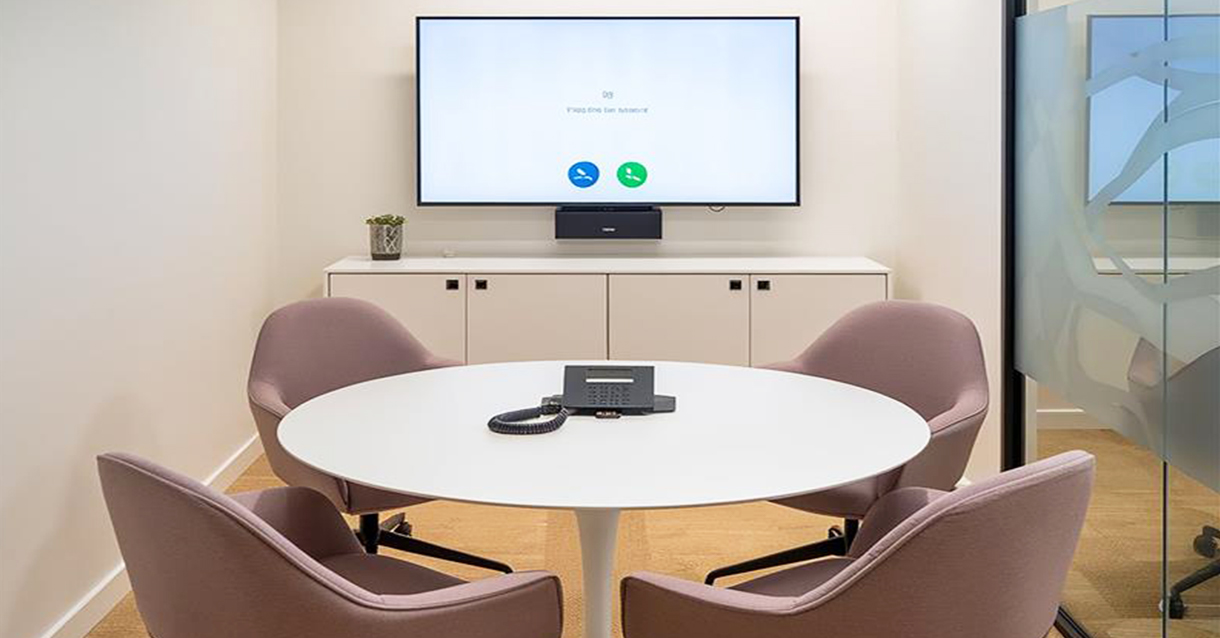
Tech-Enabled Conference Rooms: Video conferencing tools and smart whiteboards make hybrid collaboration seamless.
Breakout Spaces: Quiet zones for focused teamwork, reducing the noise of open areas.
Case Study: How Airbnb Redesigned Its Office for Maximum Collaboration
When Airbnb revamped its headquarters, it ditched traditional conference rooms in favor of open lounges, collaborative kitchens, and themed work zones. The result? A 30% increase in cross-team collaboration and faster project completion times.
The workplace revolution isn’t slowing down. Here’s what to expect next:
AI-Powered Workspaces: Smart desks that adjust to posture, temperature-controlled meeting rooms.
Multi-Sensory Environments: Offices incorporating soundscapes, aromatherapy, and personalized lighting.
Hybrid Work Evolution: Spaces optimized for both in-person collaboration and remote connectivity.
FOMO Alert: The best companies are already adapting. If your workspace still feels outdated, it might be time to rethink your environment.
The message is clear: Comfort and collaboration aren’t perks—they’re essential for success. The best workspaces don’t just provide desks; they create experiences that fuel creativity, well-being, and productivity. So, where does your office stand in this revolution? Drop a comment or explore cutting-edge co-working spaces to experience the future of work firsthand.