Our Blog
Choosing between a private office space for rent and shared offices can impact how your team works every day. This blog breaks down the real differences between private office space for rent vs shared offices, helping businesses understand which option suits their team size, privacy needs, and long-term goals.
As businesses move toward flexible work models, choosing the right office setup has become a strategic decision not just a logistical one.
Many companies searching for office space get stuck between private office space for rent and shared offices.
Both promise flexibility, lower setup costs, and ready infrastructure. But they deliver very different day-to-day experiences.
This guide explains the real differences, without sales talk, so you can choose what truly fits your business.
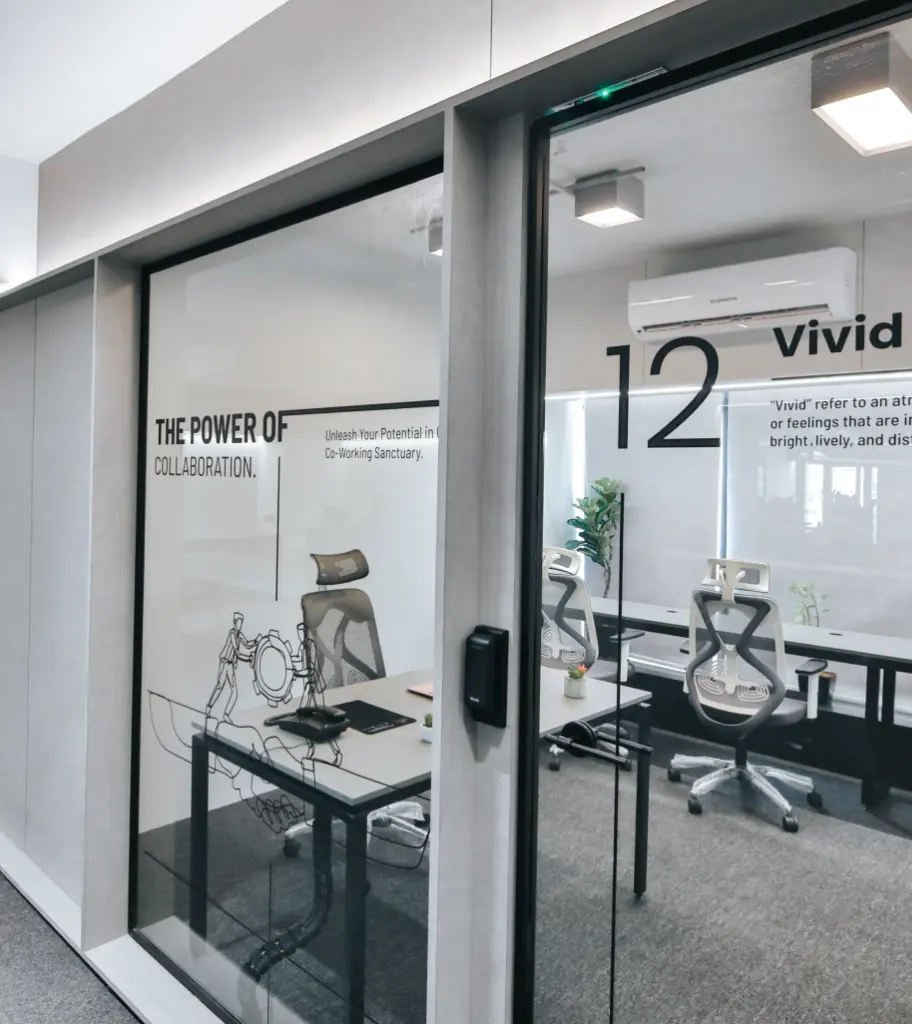
A private office space for rent is a fully enclosed office dedicated to one company. It may be part of a larger flexible workspace or business center, but the office itself is exclusive.
Private offices offer control and stability, without the hassle of managing a traditional lease.
Shared offices are workspaces where multiple individuals or teams work in a common environment while sharing desks, meeting rooms, and amenities.
Shared offices prioritize flexibility and affordability.
If privacy matters, private offices are the clear winner.
Shared offices suit individuals; private offices suit teams.
Private offices support long-term brand building.
Choose based on business maturity.
Teams generally perform better in private offices over time.
Important for regulated or data-driven businesses.
Founders often start in shared offices to save costs and then move to private offices once the team expands.
Sales teams, agencies, and consultants prefer private office spaces for credibility and confidentiality.
Many businesses use private offices as a base while offering flexible work options to employees.
The shift toward managed and private office spaces is driven by:
Platforms like Wibes help businesses find private office spaces that offer flexibility without sacrificing control.
Q-1. What is the main difference between private office space and shared offices?
A-1. The main difference is privacy. Private office spaces are dedicated to one company, while shared offices are open and used by multiple individuals or teams.
Q-2. Is a private office space worth the higher cost?
A-2. For teams, yes. Private offices offer better productivity, privacy, and cost predictability over time.
Q-3. Are shared offices suitable for growing teams?
A-3. Shared offices work for small teams, but growing teams often outgrow them due to noise and privacy limitations.
Q-4. Can startups rent private office space?
A-4. Yes. Many startups choose private office space once they reach a stable team size and need confidentiality.
Q-5. Which option is better for client meetings?
A-5. Private office spaces are better for client meetings because they offer privacy and a professional environment.
Q-6. Can businesses switch from shared offices to private offices later?
A-6. Absolutely. Many businesses start with shared offices and transition to private office spaces as they grow.
Choosing between private office space for rent and shared offices depends on more than cost or convenience. It comes down to privacy, focus, and how much control your business needs as it grows. Understanding these differences helps you choose an office that supports productivity today and stability tomorrow.