Our Blog
Thinking about moving your team into a shared office? This guide covers the real benefits, the drawbacks and how it compares with other workspace options. Use the checklist to decide whether a shared setup fits your business before you book.

Your team has outgrown the home desk, the café table or the tiny rented room. You need a proper workplace, but a long lease and a heavy fit-out feel like too much, too soon. That is why many founders weigh shared office space pros and cons before making a move.
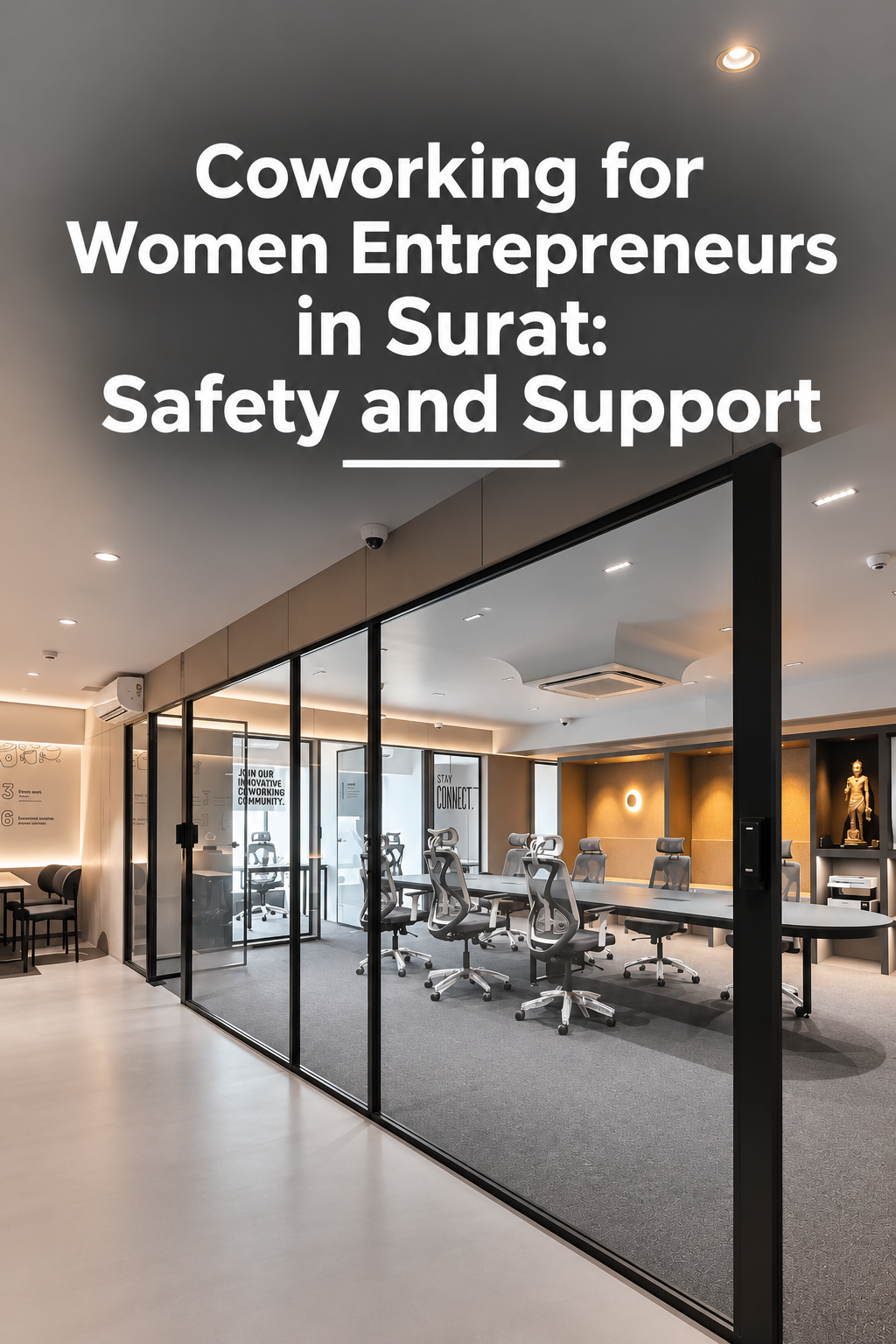
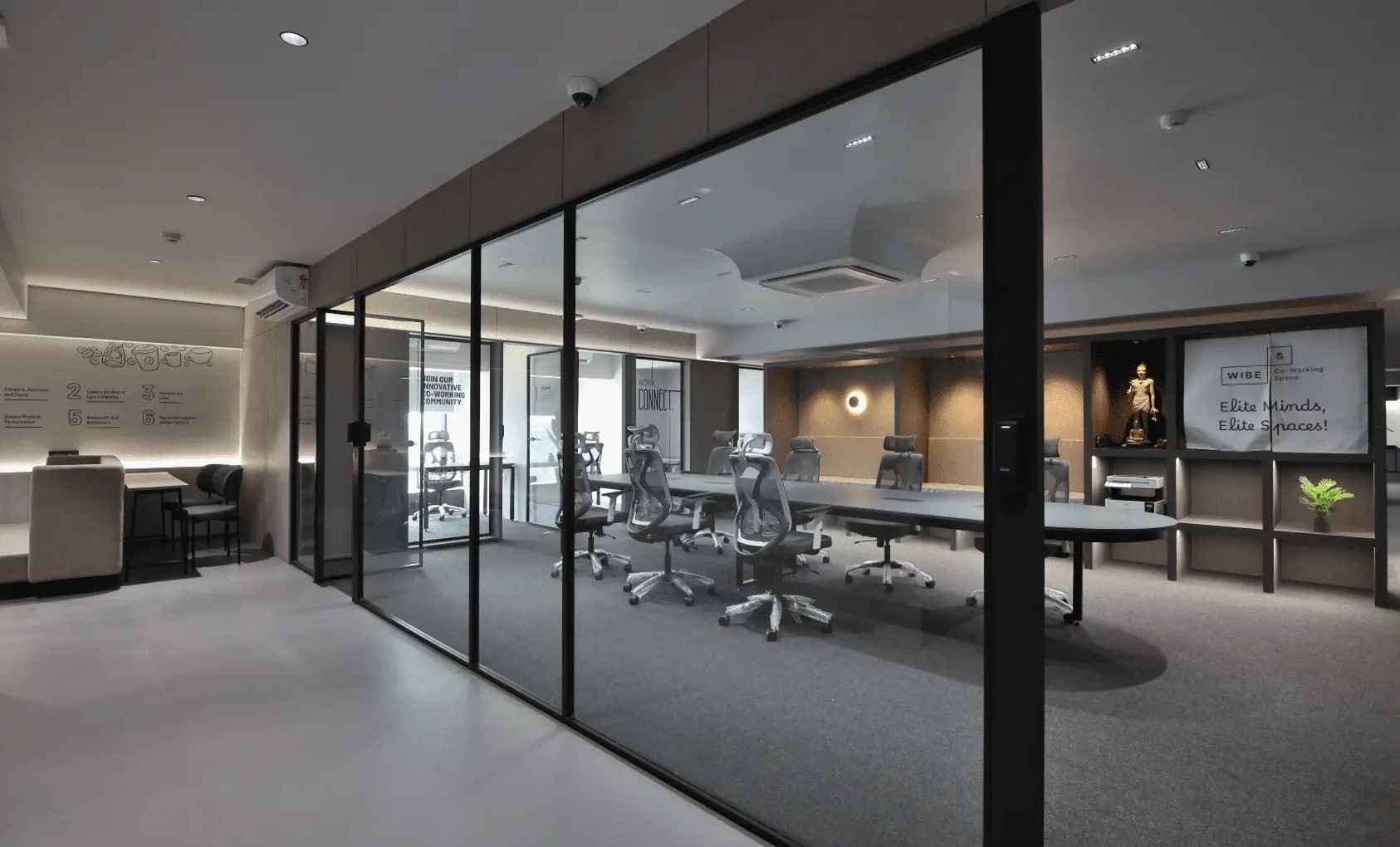
A shared office is a managed workplace where several professionals and businesses work in one common area. At WIBES in Surat, a flexible shared workspace comes with 24/7 access, high-speed internet, 100% power backup, security and a pantry. It can save time and effort, but it is not right for every team. In this guide, you will learn the real benefits, the drawbacks and what to check before you book.
You do not need to buy furniture, arrange internet or organise security by yourself. A shared workspace is ready on day one, so your time goes to the business.
Growth is rarely smooth. A team can double in a few months or stay small through a slow quarter. Shared workspace models are generally easier to adjust than a traditional office lease. Contact WIBES for current plans and terms.
Reliable internet, 100% power backup, biometric entry, CCTV and unlimited parking come as part of the workspace. When you need to host a client or run a team discussion, a meeting room can be booked, so you do not have to own a boardroom.
Working near other founders, freelancers and small teams leads to everyday conversations. These can turn into advice, referrals or even partnerships. Nothing is guaranteed, but the chance to meet useful people is built into the environment.
Meeting clients in a proper workplace beats meeting them in a café. WIBES is on Ring Road, about 1 km from the railway station and 800 m from the bus station, so visitors and your team can reach it easily.
Every option has trade-offs. Here are the main ones to weigh honestly.
Most of these can be managed. Headphones help with focus, a booked meeting room handles private conversations, and 24/7 access lets you pick quieter hours.
A shared seat is one choice among several, so compare before you decide.
It is usually a good fit if:
Think twice if:
If you are somewhere in the middle, start with a short arrangement and review it after a few weeks.
Office sharing cost depends on the plan, the seating type and what is included, so contact WIBES for current plans. When you compare, add up what running your own office would need, such as furniture, internet and power backup, and check what a shared plan already covers.
Before you commit, confirm these points:
Weighing shared office space pros and cons comes down to your work style and your stage of growth. The main benefits are lower setup effort, flexibility, ready facilities and a useful community. The main drawbacks are less privacy, some noise and limited personalisation.
If those trade-offs suit your team, a shared office can be a smart base for the next stage of your business. The best way to know is to try it yourself.
1. What are the main pros and cons of a shared office space?
The main pros are lower setup effort, flexibility, ready facilities and a chance to network. The main cons are less privacy, some noise and limited personalisation.
2. Is a shared office good for startups and small teams?
It often suits them well because they can start quickly without a long lease or a heavy fit-out. Check the noise level, seating and meeting room access during your own working hours first. A free trial is a simple way to test the fit.
3. What are the disadvantages of a shared office?
Common drawbacks are limited privacy, shared meeting rooms and a common area that can get noisy. Teams with strictly confidential work, or those that need a fully branded space, may prefer a private cabin.
4. How much does a shared office space cost?
The cost depends on the plan, the seating type and what is included. Contact WIBES for current plans, and compare the total with what running your own office would need.
5. How is a shared office different from a dedicated desk?
A dedicated desk gives you a fixed seat that stays yours, which suits people who like a steady routine. Shared seating is more flexible, but your spot may change from day to day. Ask WIBES how each option is set up before you choose.
Explore the pros and cons of shared office space for growing businesses. Discover key benefits, potential drawbacks, costs and tips to choose the right workspace for your team in Surat.