Our Blog
Not sure which room your meeting needs? Compare group size, uses and setup, then follow a simple checklist to choose and book the right space in Surat.
You need a room for tomorrow's discussion, but which one? Book a space that is too small and people feel crowded. Pick one that is too large and a focused talk can feel distant and formal.
The choice between a small meeting room vs conference room depends on your headcount, your agenda and how people will take part. This guide explains the difference, shows which room suits common situations and gives you a checklist to use before booking. If you already know you need a compact, private setting, you can explore the meeting room at WIBES.
The names are often used loosely, and every venue defines them in its own way. In general, the difference comes down to group size and the style of interaction.
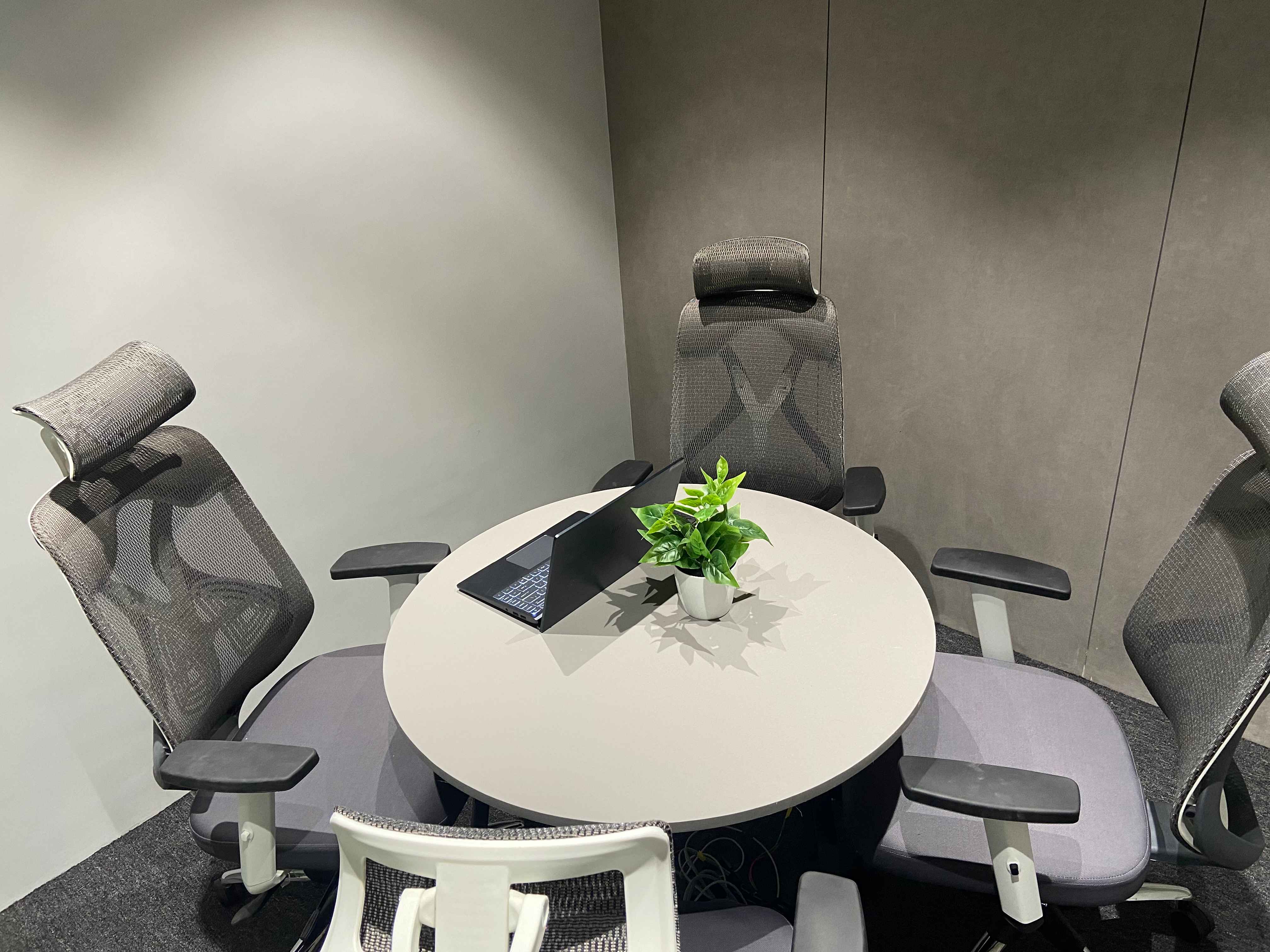
A small meeting room is designed for a limited group that needs to talk closely. Everyone can usually see one another, speak without raising their voice and look at the same screen or document. It works well when the goal is to discuss, decide or solve a problem.
A conference room is generally larger and set up for more structured sessions. There is often a longer table or a layout that supports presentations. It suits meetings where several people attend, one or two speakers lead and the rest listen, question and respond.
Point to compare | Small meeting room | Conference room |
|---|---|---|
Best group | A few people | A larger team or mixed group |
Meeting style | Conversation | Presentation and group discussion |
Typical uses | Interviews, client talks, reviews | Team sessions, board meetings, pitches |
Atmosphere | Close and informal | Structured and formal |
Preparation | Usually light | Agenda, seating and screen check |
Treat this table as a starting point. Ask the venue about the actual room, its seating and its equipment before you confirm.
A compact room is usually the better fit when everyone is expected to speak. Consider it for:
Suppose a consultant from out of town needs to discuss a proposal with two business owners. A large hall adds nothing here. A small room keeps attention on the proposal and makes the conversation feel personal.
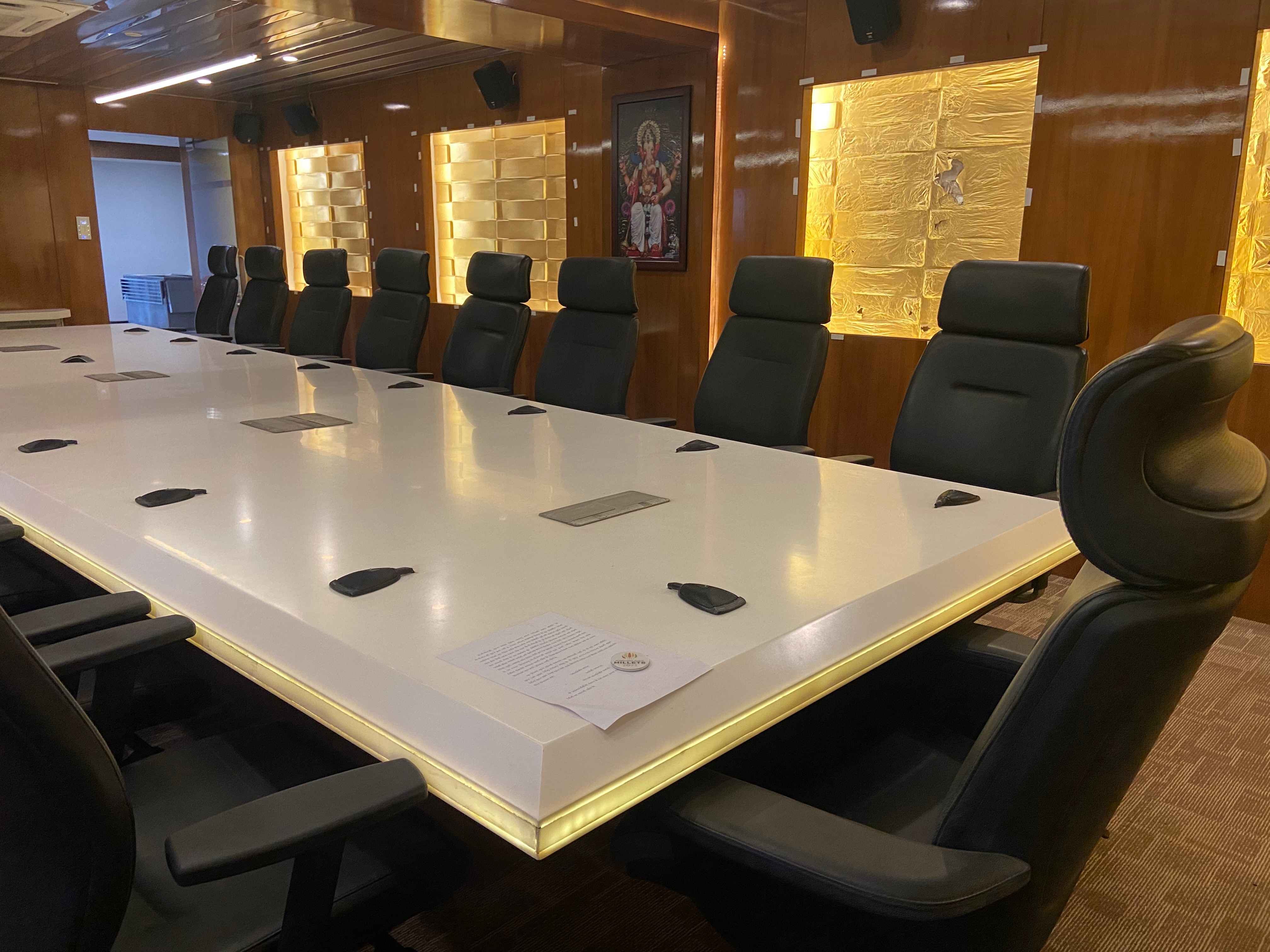
Choose the larger option when the meeting has more people, more material or a clear presenter. Common examples include:
For hands-on learning or a large audience, neither room may be ideal. A training room, seminar hall or auditorium could suit the format better. For team sessions and presentations, see the conference room at WIBES.
Answer these five questions and the right room usually becomes clear.
Count everyone, including presenters, note-takers and guests who may join late. Then ask the venue whether the room can seat that number comfortably.
A conversation needs closeness. A presentation needs a clear view of the screen. Group activities need space to move or rearrange seats. Let the agenda guide the choice.
List your screen, internet, audio, video call and charging needs. WIBES offers high-speed internet, smart TV, wireless charging and 100% power backup among its facilities, and an AV system as an add-on. Confirm what is available for your chosen room, and carry the cables or adapters your laptop requires.
An investor discussion or board meeting may call for a more structured setup. A quick weekly review rarely does. Match the room to the impression you want to give.
Visitors should find the venue without stress. WIBES is on Ring Road, beside North Extension at Sahara Darwaja, Begampura, Surat. It is about 1 km from the railway station and 800 m from the bus station, with unlimited parking for those who drive.
Also confirm your date, start time, duration and total charges in advance. Add a little buffer for setup, introductions and follow-up questions. For room rates and booking terms, contact WIBES for current plans.
1. What is the main difference between a meeting room and a conference room?
A meeting room usually suits a smaller group that needs close discussion. A conference room is generally larger and better for presentations and structured sessions. Definitions vary, so check the actual room before booking.
2. How big a meeting room do I need?
Start with your total headcount, including presenters and possible late joiners. Then consider whether people need to take notes, view a screen or move around, and ask the venue to confirm a comfortable fit.
3. Is a conference room the same as a boardroom?
The terms often overlap. A boardroom usually refers to a formal room with a central table for directors or senior leaders, while a conference room may host a wider range of team meetings and presentations.
4. Which room is better for a job interview?
A small meeting room is usually better because it offers privacy and a comfortable setting for conversation. A large interview panel or a group assessment may need more space.
5. What should I check before booking a conference room?
Check seating, screen, internet, audio, timing, access, parking and total charges. For team sessions or pitches, ask WIBES about its conference room setup and current plans.
Start with people and purpose, then check seating, equipment, access and timing. Share your headcount and agenda with WIBES and book a free trial.


.png)