Our Blog
Introduction: The Shift from Traditional Offices to Shared Workspaces Picture this: A bustling office filled with entrepreneurs, remote workers, and established companies—all thriving under one roof. It’s a stark contrast to the rigid, costly, and isolating nature of traditional office spaces. The way we work has changed, and businesses are ditching long-term leases for flexible, cost-effective shared workspaces. From startups to Fortune 500 companies, organizations are rethinking their office needs, embracing co-working spaces that offer agility, collaboration, and scalability. But what’s driving this transformation? Let’s dive into the reasons behind this massive shift.
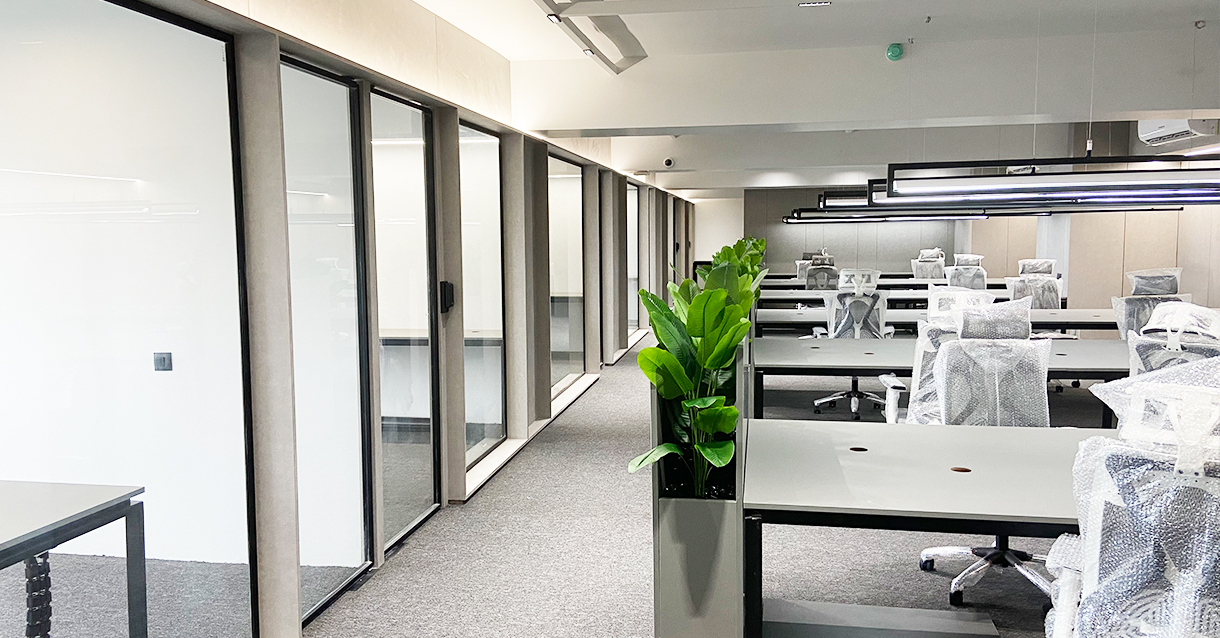
For decades, the corporate world operated on a fixed model: rent a dedicated office, furnish it, and commit to a long-term lease. But in today’s fast-paced, hybrid work era, this model is outdated. Here’s why:
Expensive leases: Traditional office spaces require hefty upfront investments—security deposits, renovations, utilities, and maintenance costs add up.
Wasted space: A report by JLL found that 30% of traditional office space goes unused.
Rigid contracts: Businesses are locked into multi-year agreements, even if their needs change.
Work-from-anywhere culture: A McKinsey report states that 58% of workers prefer hybrid models.
Empty offices: Many companies are paying for large spaces that remain underutilized as employees split time between home and office.
Demand for flexibility: Businesses now need agile work environments that adapt to fluctuating team sizes and work patterns.
Traditional offices limit collaboration—employees interact with only their teams.
Shared spaces foster creativity and networking, leading to new ideas, partnerships, and innovations.
Shared workspaces eliminate the burden of long-term leases and operational costs.
Pay-as-you-go model: Companies only pay for the space they use.
All-inclusive pricing: Utilities, WiFi, printing, and even coffee are covered.
Scalability on demand: Need more desks? Expand instantly without logistical headaches.
Example: Airbnb transitioned to a flexible workspace model, saving millions in real estate costs while maintaining collaboration.
Designed for focus: Unlike noisy coffee shops or home distractions, shared spaces offer dedicated zones for deep work.
Work-life balance: Employees choose where and how they work best.
Access to premium amenities: On-site gyms, nap pods, and community events enhance well-being and job satisfaction.
Shared workspaces naturally bring together professionals from different industries, creating organic networking opportunities.
Regular workshops, mentorship programs, and industry meetups.
Collaboration opportunities with like-minded entrepreneurs and established companies.
Potential partnerships and investments from interactions with venture capitalists and business leaders.
Example: Instagram started in a co-working space, where founders networked with other tech professionals, leading to early-stage funding and mentorship.
The global shift towards shared workspaces is just the beginning. Here’s what the future holds:
Companies like Google and Microsoft are investing in hybrid work models.
Employees will split time between home, co-working spaces, and company HQs.
Flexible office solutions will replace large, underused corporate campuses.
AI-powered workspace management: Smart desks and meeting rooms that adjust to occupancy in real time.
VR meeting spaces: Companies will collaborate remotely in immersive digital environments.
On-demand workspace platforms: Apps like WeWork and LiquidSpace will enable instant office bookings globally.
Industry-specific co-working spaces will emerge—tech hubs, creative studios, legal and financial co-working centers.
Subscription-based workspaces: Businesses will opt for memberships that provide access to multiple locations worldwide.
Decentralized work hubs: Companies will create smaller, localized offices closer to employees’ homes to reduce commuting.
If your business values flexibility, cost savings, and innovation, shared workspaces offer the ideal solution. The days of rigid office leases are fading, and businesses that embrace agile, collaborative environments will thrive in the new era of work. Are you ready to future-proof your workspace? Explore co-working options and unlock a smarter way to work.