Our Blog
Managed office space is a modern workspace solution designed for flexibility, convenience, and growth. This blog explains the meaning of managed office space, its key benefits, and how it works in real-world scenarios. If you’re exploring smarter office options for your business, this guide helps you understand whether managed offices fit your needs.
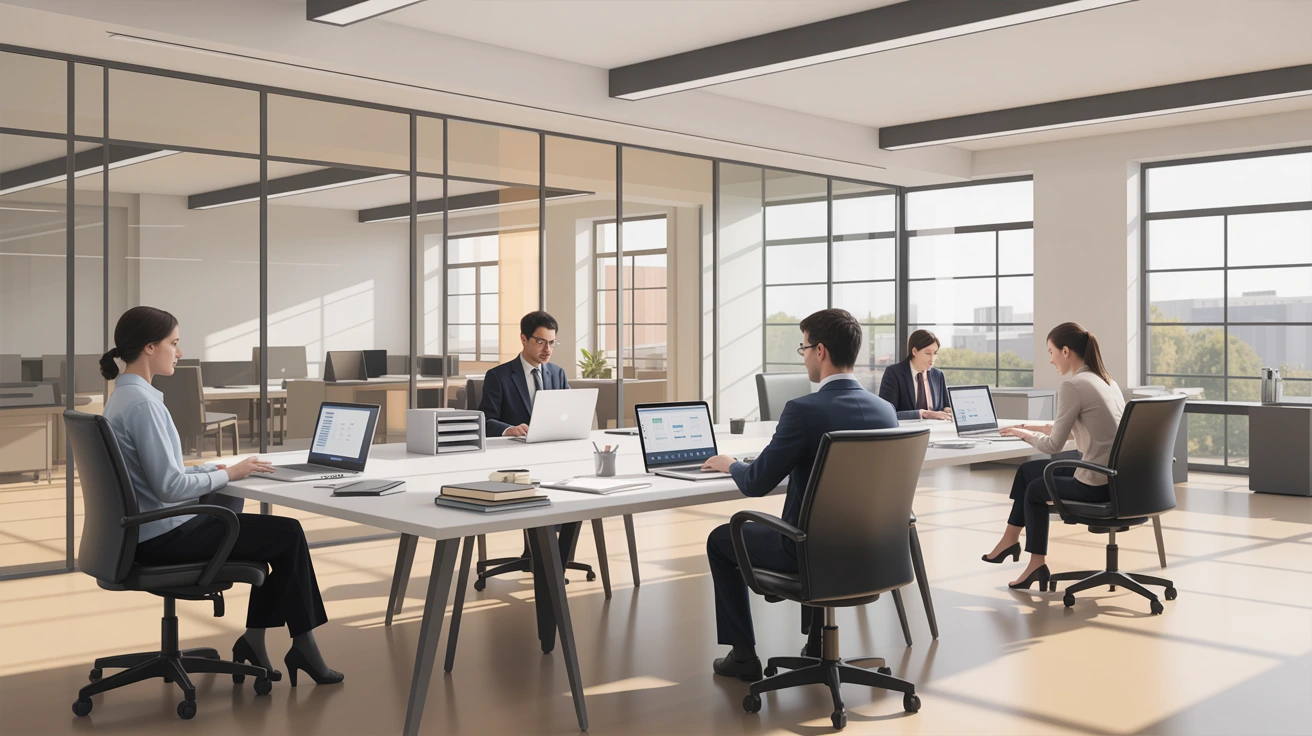
Choosing the right office space is no longer just a real estate decision it’s a business strategy. As companies prioritize flexibility, cost control, and operational efficiency, managed office space has emerged as a preferred solution for modern teams.
This guide explains what managed office space means, how it works in practice, and why businesses are increasingly choosing it over traditional offices.
Managed office space is a fully serviced, customized office solution where a workspace provider takes complete responsibility for setting up, managing, and maintaining the office.
Unlike conventional office leasing, managed offices are designed specifically for a single company and operated by a third-party provider. Everything from layout design and furniture to internet, utilities, and daily operations is handled on behalf of the tenant.
In simple terms:
A managed office gives you a private office that feels owned, without the operational burden of owning or managing it.
From a business perspective, the meaning of managed office space can be broken down into three core elements:
The workspace is designed according to your company’s:
Team size
Work style
Branding requirements
Future growth plans
The provider manages:
Furniture and interiors
IT infrastructure and internet
Maintenance and housekeeping
Security and access control
Utilities and facility operations
Instead of dealing with multiple vendors and contracts, businesses pay one consolidated monthly fee.
This structure simplifies office operations and reduces administrative complexity.
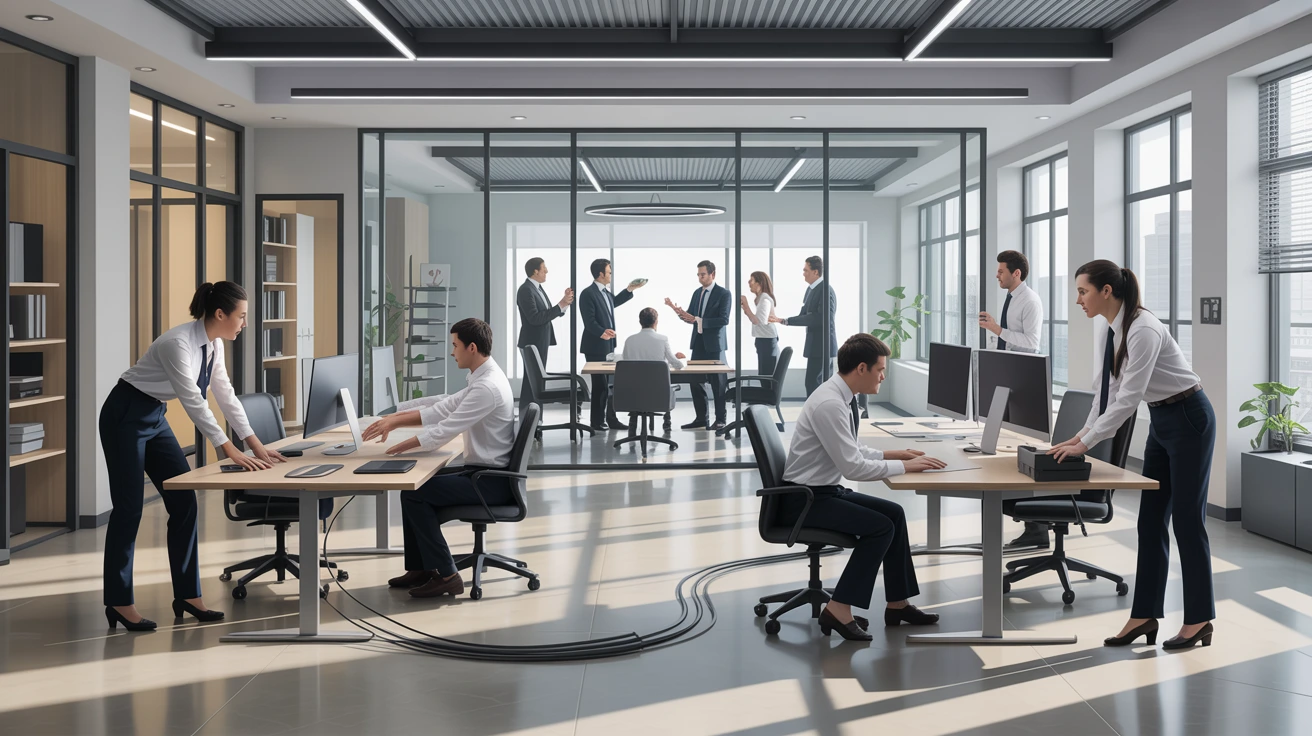
Understanding how managed office space works helps businesses evaluate whether it fits their needs.
The process starts with understanding:
Number of employees
Department-wise seating needs
Meeting room requirements
Location preferences
Expansion or contraction plans
This ensures the workspace aligns with both current and future needs.
Based on requirements, the provider:
Designs a customized floor plan
Allocates cabins, workstations, meeting rooms
Plans collaboration zones and support areas
Branding elements such as company colors, logos, and signage are often integrated to create a dedicated office identity.
Once the design is finalized, the provider handles:
Furniture procurement and installation
Network cabling and high-speed internet
Power backup and security systems
Pantry and common area setup
This phase eliminates months of coordination typically required in traditional office setups.
After setup, the business moves into a fully functional office. From day one:
Internet works
Facilities are operational
Support teams are in place
Employees can start working immediately without disruptions.
Post move-in, the provider continues managing:
Repairs and maintenance
Housekeeping and hygiene
Utility payments
Facility support
This ensures smooth day-to-day functioning without internal oversight.
A managed office typically includes:
Dedicated, private office space
Ergonomic furniture and workstations
High-speed internet and IT support
Meeting rooms and collaboration areas
Pantry and refreshment zones
Housekeeping and maintenance
Security, access control, and power backup
Everything required to run an office is bundled into one solution.
Businesses no longer need to manage:
Multiple vendors
Facility teams
Office logistics
This allows leadership and HR teams to focus on core business activities.
2. Faster Time to Occupy
Traditional offices may take 3–6 months to become operational.
Managed office spaces significantly reduce this timeline, enabling quicker business continuity.
3. Predictable and Transparent Costs
With a single monthly fee:
Budgeting becomes easier
Unexpected expenses are minimized
Financial planning improves
This is especially valuable for growing companies.
4. Flexibility and Scalability
Managed offices are designed with growth in mind. Businesses can:
Expand seating capacity
Reconfigure layouts
Adjust space usage
This adaptability is difficult to achieve with conventional leases.
5. Professional Work Environment
Managed offices are built to modern standards, offering:
Well-designed interiors
High-quality amenities
Employee-friendly layouts
This improves productivity, employee satisfaction, and brand perception.
Managed Office Space vs Traditional Office Leasing
Understanding the difference helps in decision-making.
While both are flexible workspace options, they serve different needs.
Coworking spaces are shared environments with limited privacy
Managed office spaces offer exclusive, private offices with full control
Businesses requiring confidentiality, branding, and dedicated teams usually prefer managed offices.
Managed office space is ideal for:
Quick setup
Lower upfront costs
Ability to scale rapidly
Predictable expenses
Professional workspace without heavy management
Expansion into new cities
Project-based teams
Decentralized offices
Flexible layouts
Scalable seating options
While beneficial, managed offices may not be ideal if:
You require ownership of real estate
You prefer complete in-house facility control
Your team size is extremely small and short-term
Understanding limitations ensures the right workspace choice.
Before finalizing, businesses should assess:
Customization capabilities
Transparency in pricing
Support and maintenance quality
Location accessibility
Scalability options
A reliable provider ensures long-term workspace efficiency.
The Role of Managed Office Space in Modern Business
As work models evolve, managed office space bridges the gap between:
Traditional ownership
Flexible workspace needs
It offers control, professionalism, and convenience without the rigidity of long-term leases.
A-2. Serviced offices are usually pre-designed and shared, while managed office spaces are customized exclusively for one company, offering more control and branding flexibility.
A-3. Yes. Startups benefit from faster setup, lower upfront costs, and flexibility, making managed office spaces ideal during early growth stages.
A-4. Costs typically include rent, furniture, internet, utilities, maintenance, housekeeping, and security bundled into one predictable monthly payment.
A-5. Yes. Managed office providers allow teams to expand or reduce space with minimal disruption, supporting business growth or restructuring.
A-6. Most managed office spaces offer flexible lease terms compared to traditional offices, making them suitable for evolving business needs.
If your business values: Operational efficiency Cost clarity Speed and flexibility Then managed office space provides a practical, future-ready solution.