Our Blog
Office space for rent in India varies widely based on city, location, and workspace type. This blog explains current pricing trends and compares the best Indian cities for renting office space. It helps businesses understand where renting an office makes the most sense based on cost and growth potential.
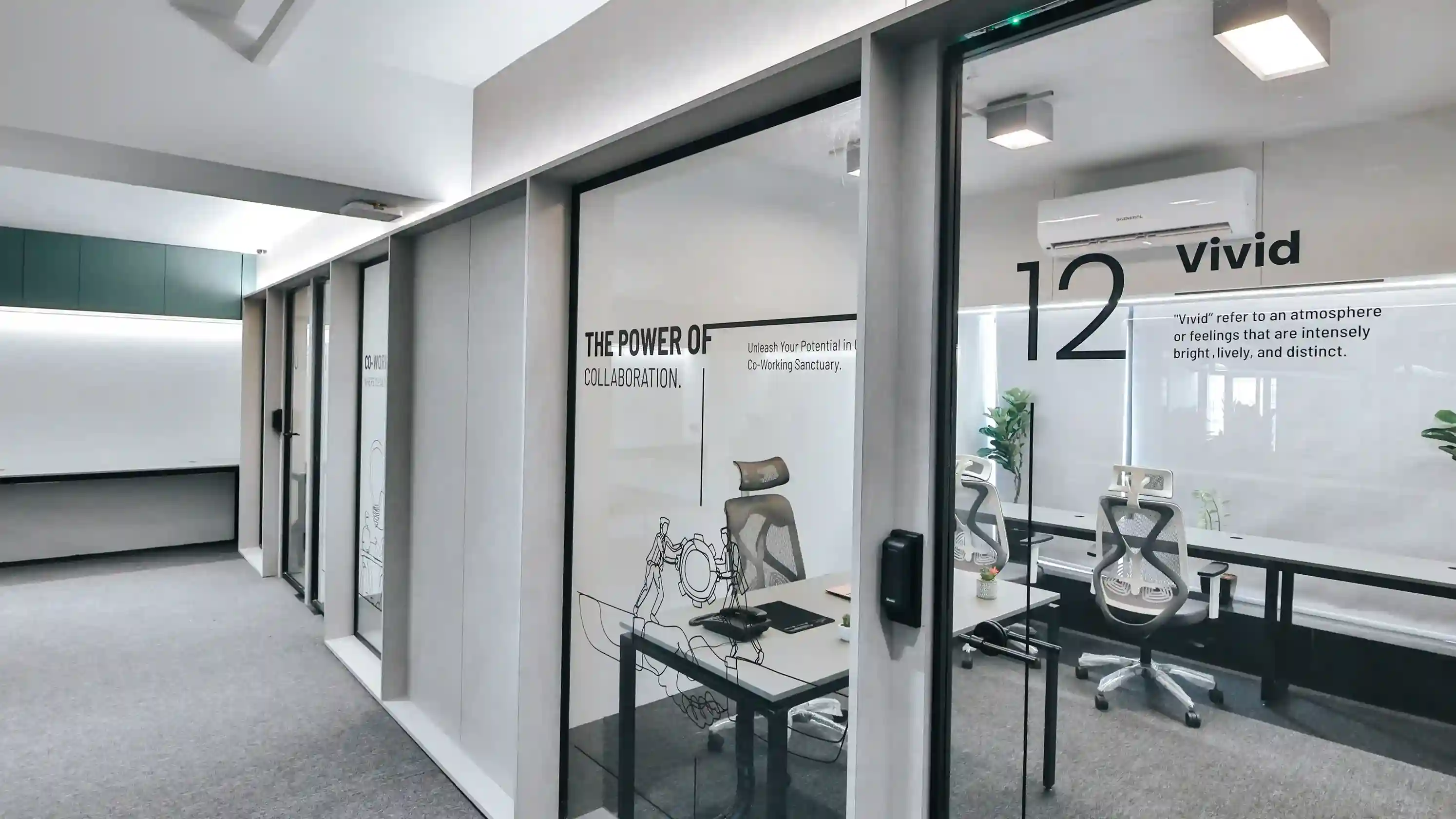
The demand for office space for rent in India has evolved significantly over the last few years. Businesses today are no longer focused only on owning or leasing large offices for long durations. Instead, flexibility, location efficiency, and cost optimization play a much bigger role.
In this guide, we’ll break down how office rental pricing works in India, what trends are shaping the market, and which cities offer the best opportunities for businesses looking to rent office space.
Office space for rent in India generally falls into three categories:
Traditional leased offices
Managed office spaces
Flexible and coworking offices
Each option serves different business needs and comes with different cost structures. While traditional offices often require long-term commitments and higher setup costs, managed and flexible offices reduce operational burden and allow faster scaling.
Office rental prices in India depend on several factors:
City and micro-market
Type of office space
Demand-supply dynamics
Infrastructure and connectivity
Business ecosystem maturity
Metro cities such as Bengaluru,Surat, Mumbai, and Delhi NCR continue to command premium rentals due to strong demand from IT, finance, and multinational companies.
However, emerging cities are gaining attention because:
Rentals are more affordable
Talent availability is improving
Infrastructure is expanding rapidly
Traditional office rentals often include:
High security deposits
Long lease periods
Interior fit-out costs
Flexible office models bundle these costs into a single monthly fee, making budgeting easier for startups and SMEs.
Strong startup and tech ecosystem
High demand for Grade A office spaces
Well-developed IT corridors
Financial capital of India
Strong demand from BFSI and corporate firms
Diverse industries
Large office inventory
Multiple micro-markets
Rapid infrastructure growth
Competitive rental rates
Strong tech and pharma presence
IT and manufacturing base
Strong talent pool
Cities like Surat are gaining attention due to:
Expanding SME and manufacturing sectors
Lower office rental costs
Growing demand for flexible office setups
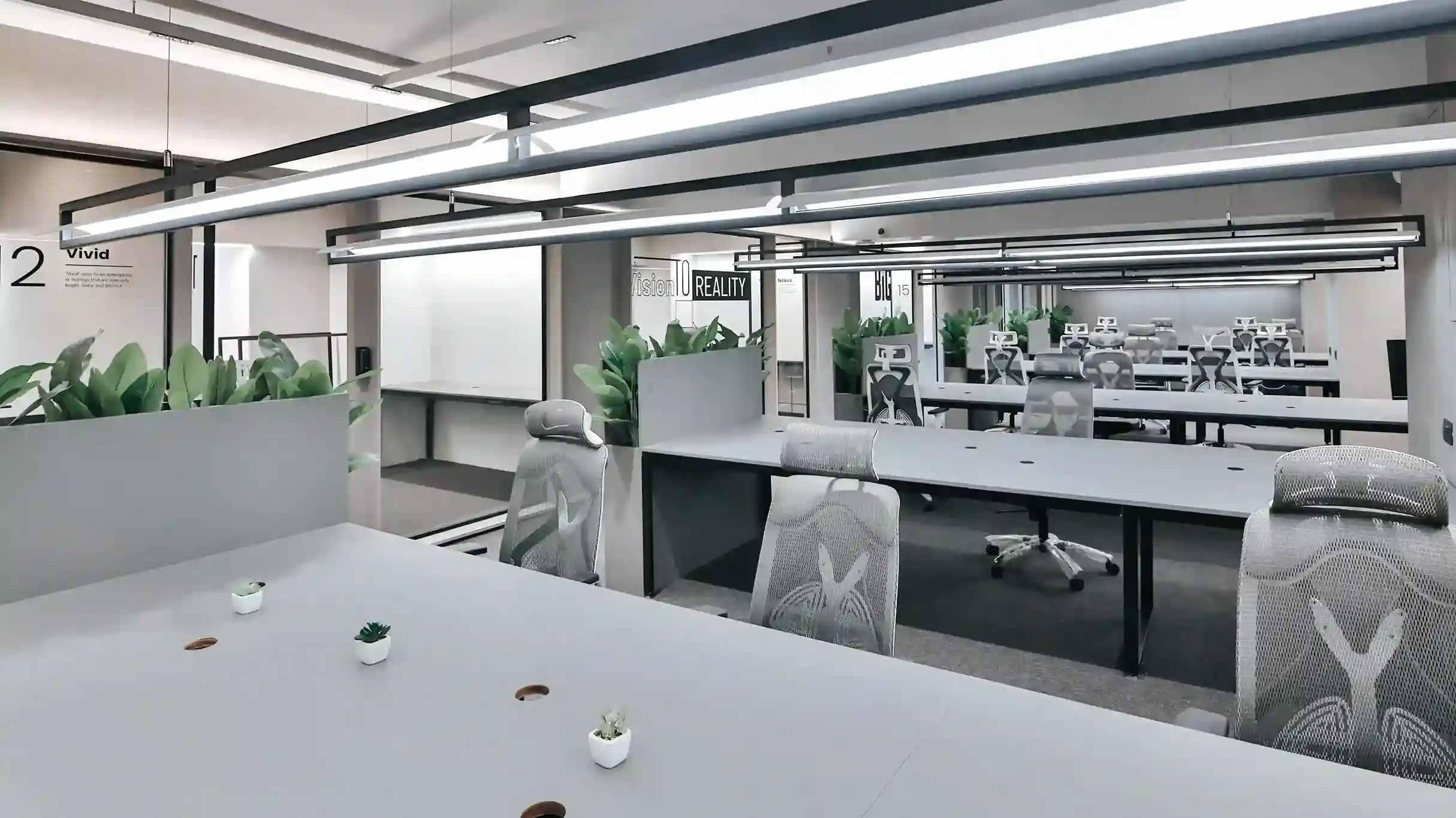
When evaluating office space for rent in India, businesses should consider:
Nature of business
Client proximity
Talent availability
Budget constraints
Future expansion plans
Choosing the “best” city depends more on business alignment than popularity.
A-1. Office space rent in India varies by city and location. Metro cities have higher rentals, while emerging cities offer more affordable options.
A-2. Tier-2 cities generally offer lower rentals compared to metros, making them attractive for startups and SMEs.
A-3. For most growing businesses, renting offers flexibility, lower upfront costs, and easier scalability compared to purchasing property.
A-4. Flexible offices reduce setup and operational expenses by bundling services into one monthly cost.
A-5. Yes. Cities like Surat provide cost advantages, improving infrastructure, and access to regional talent pools.
A-6. Using comparison platforms allows businesses to evaluate locations, pricing, and workspace types efficiently.
Office space for rent has evolved from a fixed operational cost into a strategic growth decision, especially in emerging business hubs like Surat. With changing rental trends, flexible office models, and city-specific dynamics, businesses now select workspaces based on scalability, cost control, and long-term planning. This shift reflects how companies in Surat and across India are rethinking office locations to support sustainable and future-ready growth.