Our Blog
Discover why shared office spaces are becoming the preferred choice for startups across India. From reducing operational costs and providing premium infrastructure to offering networking opportunities and flexible scalability, shared workspaces help businesses grow without the burden of traditional office leases. Learn how coworking environments in cities like Surat, Mumbai, Bangalore, and Delhi empower entrepreneurs with professional meeting rooms, high-speed internet, prime business addresses, and essential amenities. Explore the top 10 reasons shared office spaces are the perfect solution for startups looking to build credibility, improve productivity, and scale efficiently in today's competitive business landscape.
A wave of fresh companies has swept across India during the last ten years. Out of quiet lanes in Surat to high-energy zones in Bangalore, brand-new businesses pop up each month. Yet many struggle to land work areas matching what they need without draining funds. Shared offices space stepped into this gap, offering real answers. Spotting a nearby place to share desks or diving into flexible rental setups might just shift how things move forward.
One floor at a time, old-style leases feel too heavy for young startups watching every rupee. These days, founders lean toward shared desk spaces built on shifting needs, lighter costs, and belonging. Picture ten solid reasons these hubs now lead the pack from city to city across India.
Startups often pick shared workspaces because they save so much money. Setting up a private office means spending heavily at first deposits, chairs, desks, leases that lock you in. But here’s how it flips: these flexible spaces charge only for what you use. Costs like internet, power, and cleaning get split across companies using the floor. Need a spot in Surat? Try one close to Athwa Gate or find another near Pal. Let new teams look established without wiping out early funds.
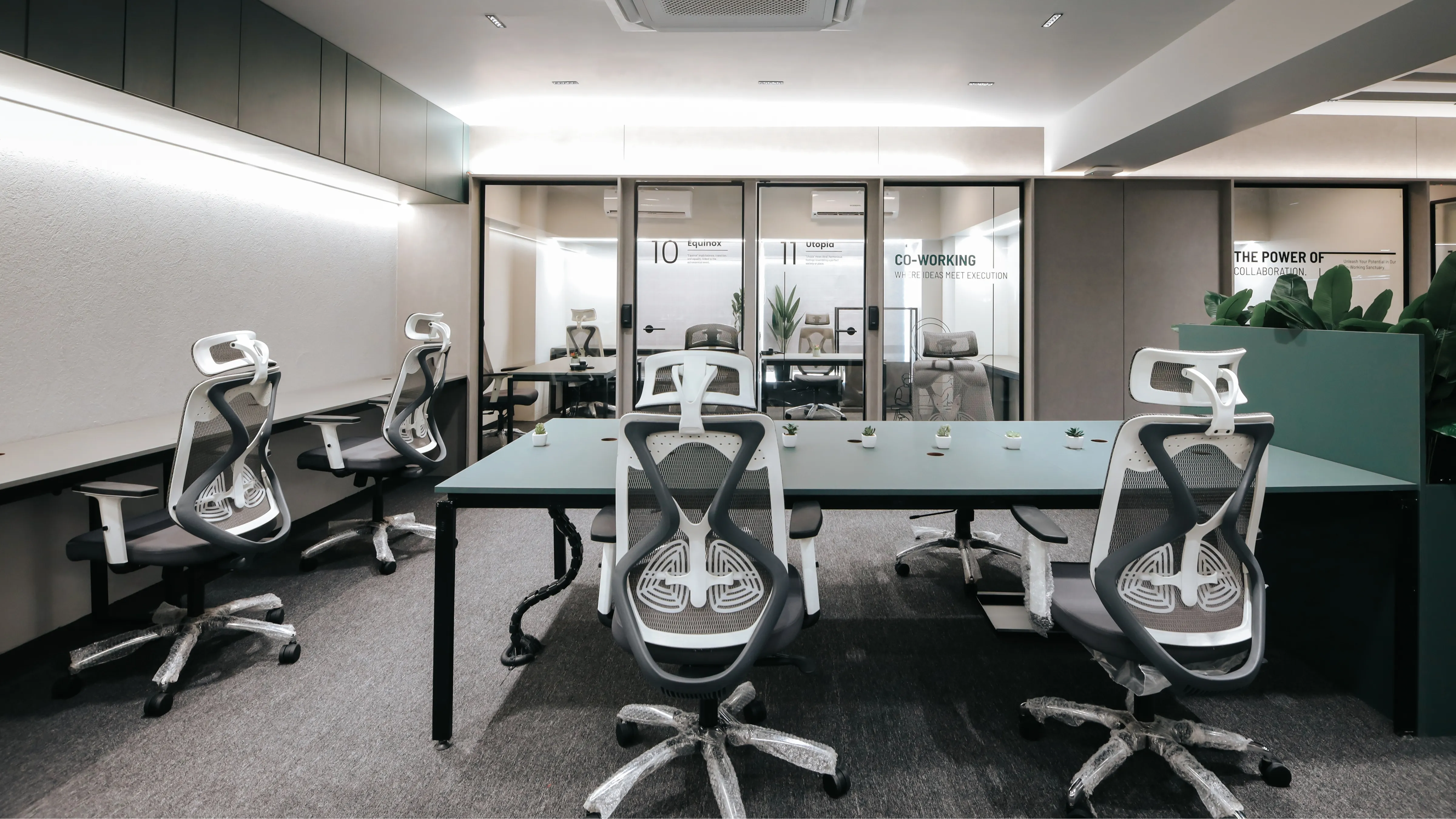
Most coworking spots include fast web connections, up-to-date desks and chairs, and climate control, along with strong safety measures. Often, these spaces bundle rapid internet into the package, a must-have for new tech ventures building online operations. With entry to a top-tier setup you’d rarely afford setting up solo, your crew hits full speed right away.
A key perk of good coworking spots? On-site meeting areas built for real work. In fast-moving places like Surat, having a private room inside a flexible office setup matters, especially when talking deals or facing investors. Skip the café noise. Step into a proper space meant for talks, one that quietly lifts how others see your business while keeping conversations where they belong.
Alone at their desks, many young founders struggle more than they let on. Hanging around shared offices means bumping into others doing similar things, people who might later co-found something with you, guide your steps, or believe in your idea enough to fund it. More than four walls and Wi-Fi, the right space pulses like a living network. Connections spark where least expected; even two seats over could be someone changing your trajectory. Learning sharpens when ideas bounce off real conversations, not screens.
When a startup begins to grow, its need for space shifts. Month by month, plans evolve; shared offices adapt where long-term leases won’t. Begin at one desk, shift into a fixed spot, and later take a closed room all without fees or legal traps. Contracts bend instead of break, matching sudden surges in team size. For new companies riding uneven waves, this kind of setup just fits.
Out of nowhere, trust grows when clients see a real office behind your name. Picture this: meetings happen where it counts, not on your living room couch. Instead of working from home, imagine walking into a shared workspace that already means something. Investors notice details like these small things with big weight. Even early on, standing tall comes easier with an address people recognize. Brand new? That does not matter as much when the location speaks first.
Every day in a private office means chasing invoices, turning lights off, calling repair people, and sorting guard schedules. Pick shared work areas; nearby, someone else takes care of utilities, upkeep, and safety checks. Suddenly there is room to build things customers want, talk to buyers, and improve services. The little chores vanish without warning.
Out here, Surat pulses with fresh business energy. Pick a spot close to Athwa Gate instead of settling elsewhere; it puts new ventures right where people move and deals happen. Try the Pal zone too, where footfall runs high and attention follows. Renting whole offices there? Forget it, prices bite hard. Yet sharing space slices through that barrier like a shortcut through traffic. Show up in these zones, and clients see you as part of the scene, not chasing it. Workers notice too; they lean toward jobs that feel central, alive, and within reach.
Desks alone aren’t enough for a solid workspace. Kitchens show up alongside pantries, while game rooms mix in with parking spots. Printing jobs get handled on-site, mail gets sorted daily, and someone answers the phone when needed. Startups tend to land these full setups without extra fees piling up. Workers stay happier when everything they need is already there.
Most new businesses do not make it. A heavy rental contract might wreck yours before it even gains ground. With shared workspaces, that trap disappears; shorter terms let you move without penalty. Changing direction becomes easier when location ties don’t drag you down. Freedom to shift grounds lifts mental weight just as much as it eases budget pressure.
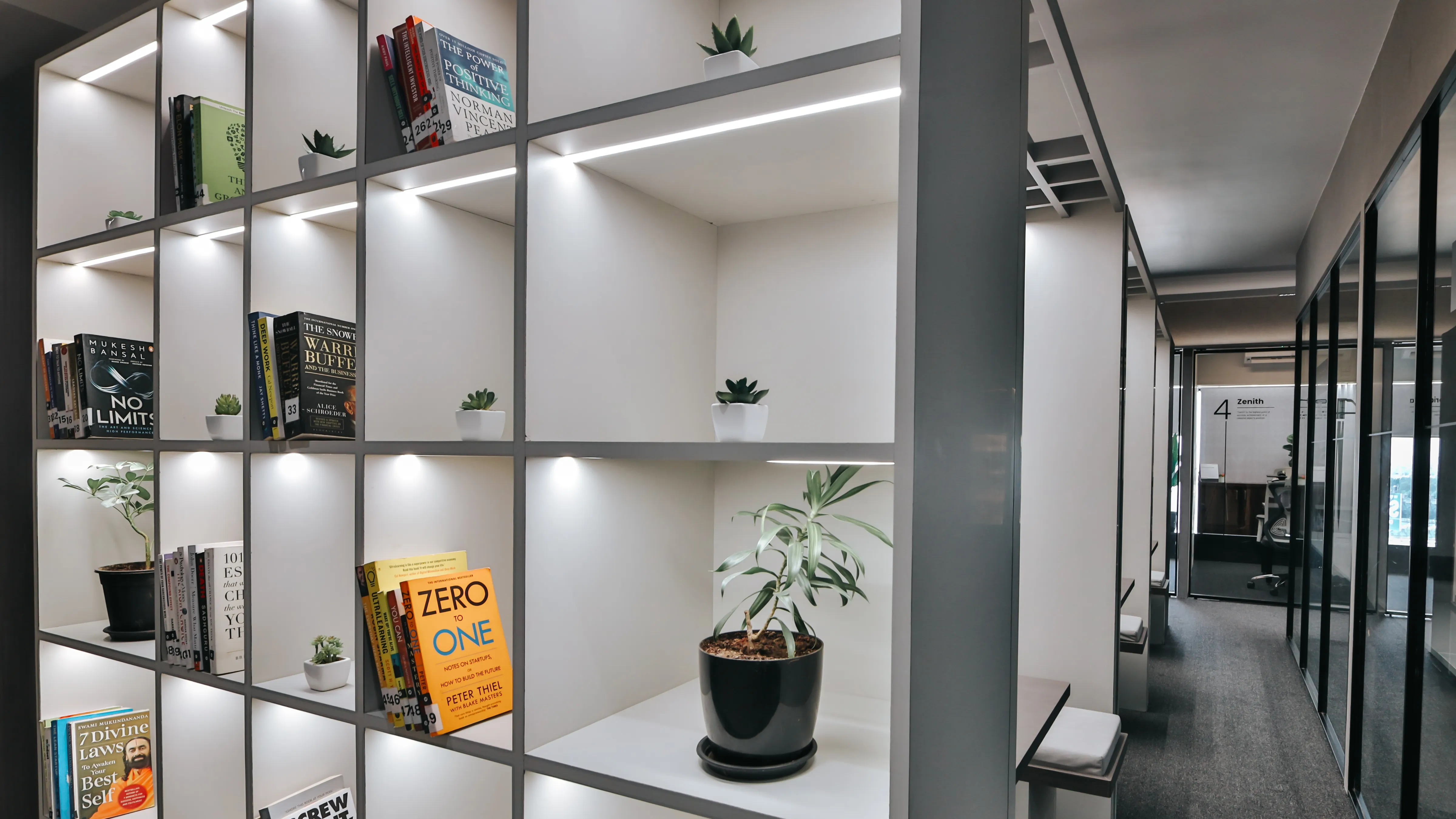
It's surprising how many Indian cities now prefer flexible setups, not just Surat with its solid coworking spots and local amenities. Out pops a new trend from Delhi through Mumbai down to Chennai and beyond; young companies are trading old-style offices for more adaptable spaces. Often, it’s the scattered groups, working miles apart, who gain most when they land in well-designed areas made for digital crews. Remote outfits find breathing room where desks shift easily, especially when teams span different time zones.
A: Yes, absolutely. Most quality shared office providers offer lockable cabins and private meeting rooms specifically designed for confidential discussions. You don't have to conduct all your business in open spaces.
Q: What happens if I need to scale quickly?
A: Most shared office spaces offer flexible upgrade options. You can move from a hot desk to a dedicated desk or private cabin as your team grows, often without lengthy notice periods.
Q: Is shared office space good for client meetings?
A: Absolutely. Professional meeting rooms with proper amenities make an excellent impression on clients and investors, often better than conducting business remotely or in cafes.
Q: What's the typical contract length?
A: Most shared office spaces operate on monthly memberships, though some offer discounts for quarterly or annual commitments. This flexibility is one of their primary advantages.
Q: How do internet speeds hold up with multiple users?
A: Reputable providers ensure shared office space with high-speed internet that supports multiple concurrent users. This is a critical service requirement they take seriously.
Shared office spaces offer startups in India the perfect balance of affordability, flexibility, and professional infrastructure. From reducing operational costs to creating valuable networking opportunities, these workspaces help businesses focus on growth without the burden of traditional office expenses. As the startup ecosystem continues to expand, shared office spaces remain a practical and scalable solution for entrepreneurs seeking success in a competitive market.