Our Blog
Blog Description: Understand the difference between a co-working space, meeting room, and conference room. Explore their benefits, uses, and key features to choose the right workspace for your business needs.

The short answer: choose a co-working space if you need a place to work regularly, a meeting room if you need a private space for a small meeting at a fixed time, and a conference room if you are hosting a larger group, a training session or a formal presentation.
These three options are often mixed up because they can sit in the same building. But they solve different problems. One gives you a daily workplace, one gives you a private conversation, and one gives you space for a group. Picking the wrong one means paying for what you do not use or squeezing a meeting into a space that cannot hold it.
Factor | Co-working space | Meeting room | Conference room |
|---|---|---|---|
Main purpose | Day-to-day work | Private, small-group discussion | Larger or formal group sessions |
Best for | Freelancers, founders, remote workers, small teams | Client meetings, interviews, consultations, project reviews | Workshops, trainings, board meetings, presentations, team reviews |
Typical group size* | One person to a small team | Small group (a few people) | Larger group |
How long you use it | Regularly (daily or monthly use) | A few hours, booked as needed | A few hours to a full day, booked as needed |
Privacy | Shared common area (private cabins may be offered separately) | High, door closed | High, door closed |
Typical setup | Desk, chair, Wi-Fi, shared facilities | Table, chairs, Wi-Fi, often a screen or whiteboard | Larger table or flexible seating, screen or projector, audio support |
How it is usually booked | Day pass or longer plan | By the hour or session | By the hour, half-day or full day |
Biggest advantage | A work routine and a professional address to work from | Looks prepared for clients without needing your own office | Space for presentations and group discussion |
Main limitation | Not private enough for sensitive conversations in open areas | Limited seating | Too much space (and cost) for a one-to-one chat |
*Capacity and booking terms differ between providers. Always confirm the seating count, hours and inclusions before you book.
A co-working space is a shared workplace where you use a desk and facilities such as Wi-Fi and common areas, usually without taking a long-term lease. You work alongside other professionals instead of alone at home or in a cafe.
It suits you if:
It does not suit you if: your main need is a private room for confidential discussions or a large group session. For that, you need a meeting or conference room.
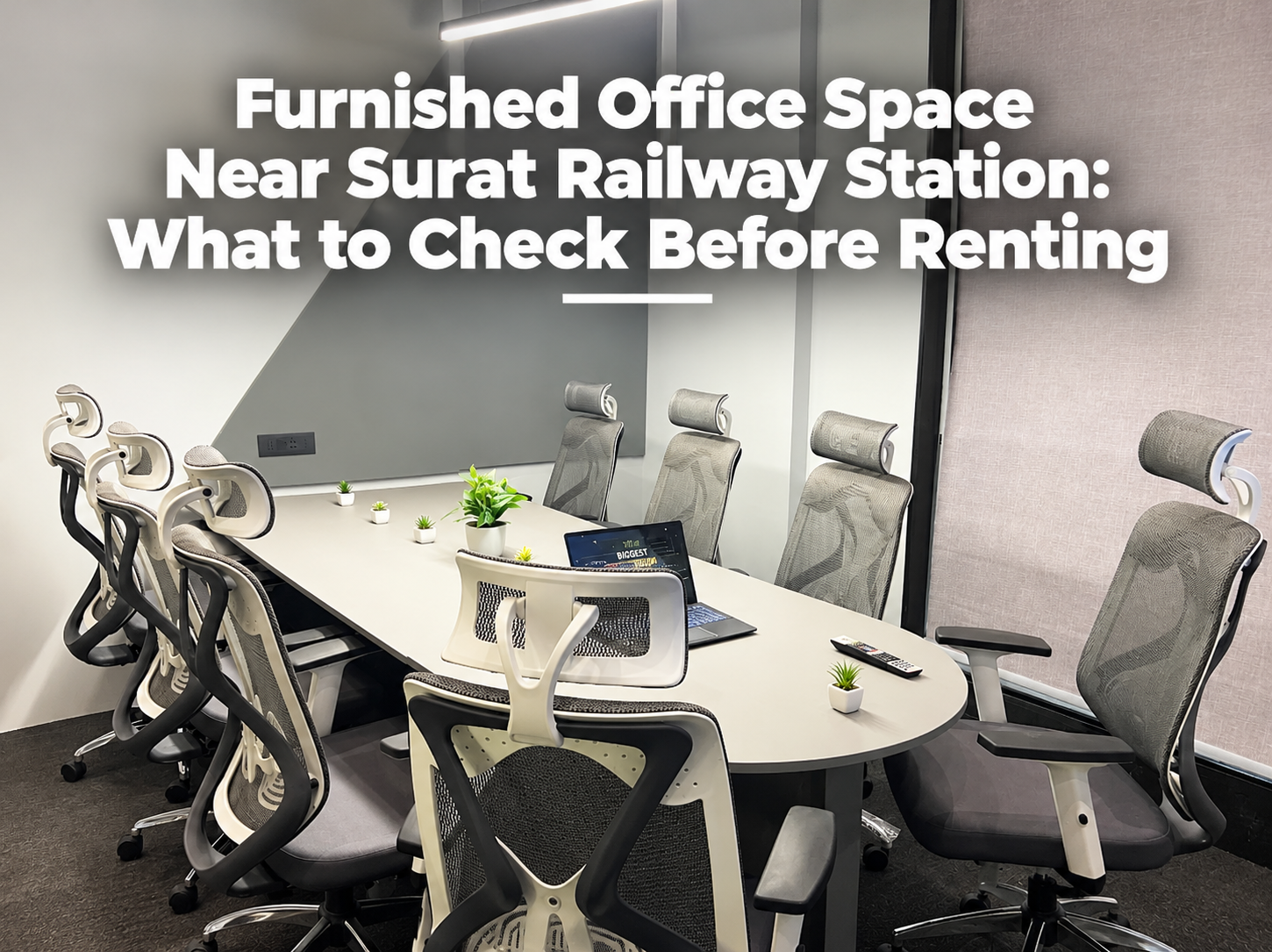
A meeting room is a private, enclosed room you book for a specific time. It is meant for small-group conversations such as client discussions, interviews, consultations and project reviews.
It suits you if:
It does not suit you if: you need to seat a big group or work from the space every day.
A conference room is a larger room designed for group sessions. It usually has more seating and equipment for presentations, so it works for trainings, workshops, board meetings and team reviews.
It suits you if:
It does not suit you if: you are meeting one or two people. A smaller room is usually the better fit.

The difference is mostly size and formality, and the names are not used the same way everywhere. Some providers call every bookable room a meeting room, while others separate small meeting rooms from larger conference rooms. Do not rely on the name alone. Check the seating capacity, the equipment and the seating layout before you book.
A simple rule: if everyone can sit around one table and talk, a meeting room is enough. If you need a presenter, a screen for the whole group or flexible seating, look at a conference room.
These are illustrative scenarios, not client case studies.
Yes, and many people do. A common pattern is a co-working desk for daily work and a meeting or conference room booked when needed. If you choose this route, ask the provider how room booking works for desk members before you decide.
What is the main difference between a meeting room and a conference room?
A meeting room is usually smaller and suited to a few people having a discussion. A conference room is usually larger and set up for group sessions, presentations or formal meetings. Because providers use these names differently, always check the capacity and equipment.
Do I need a co-working space if I only need a room for client meetings?
Not necessarily. If you meet clients only occasionally, booking a meeting room when needed can be enough. A co-working space makes more sense if you also want a regular place to work.
Which is better for a small business owner: a co-working space or a meeting room?
It depends on how you work. If you need a daily workplace, choose a co-working space. If you only need a professional place to meet clients now and then, a meeting room is the simpler choice.
Can a team use a co-working space for meetings?
Open co-working areas are shared with other people, so they are not ideal for private or longer discussions. For those, book a meeting or conference room.
Whether you need a flexible co-working space for daily work, a meeting room for client discussions, or a conference room for team presentations, choosing the right workspace can improve productivity and professionalism. Compare their features, benefits, and uses to find the ideal option for your business.