Our Blog
Meeting room rental for startups and remote teams helps businesses access professional spaces without long-term commitments. This guide explains when to rent meeting rooms, what to look for, and how to choose the right option for productive meetings.
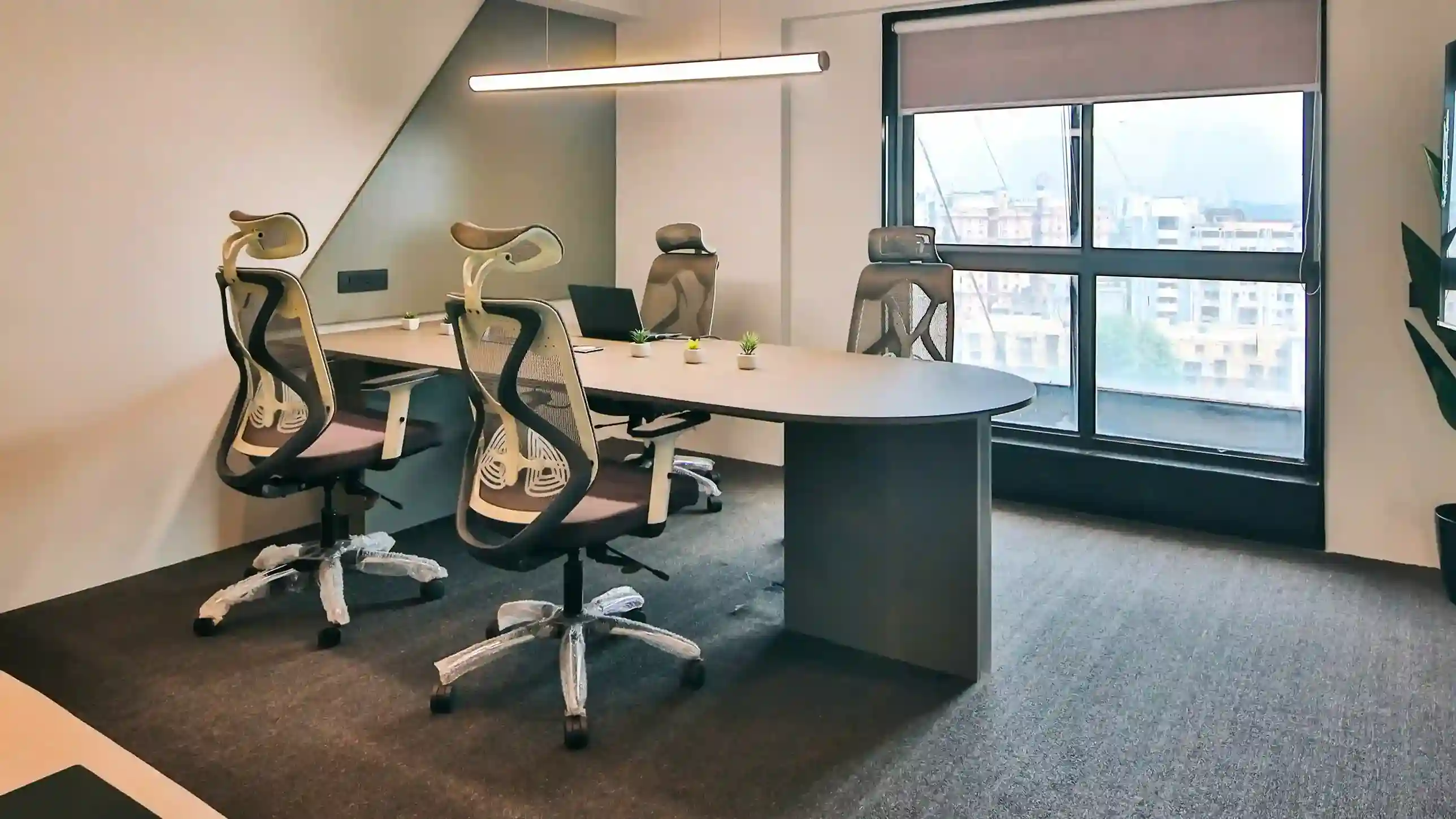
The way teams work has changed. Startups and remote teams no longer need permanent office spaces just to hold occasional meetings. Instead, meeting room rental has become a flexible, cost-effective solution.
Whether it’s a client presentation, team planning session, or hybrid meeting, renting a meeting room allows businesses to stay professional without unnecessary overheads.
This guide explains everything startups and remote teams need to know about meeting room rentals and how to choose the right option.
Meeting room rental allows businesses to book professional meeting spaces for a few hours, half-day, or full day without committing to a long-term lease.
These rooms are typically available in:
Coworking spaces
Business centers
Flexible office spaces
They come equipped with essential amenities so teams can focus on discussions instead of logistics.
Startups operate on tight budgets. Renting meeting rooms only when needed avoids:
Monthly rent
Maintenance costs
Utility bills
You pay only for usage.
Client meetings in cafés or homes don’t create the right impression. A dedicated meeting room:
Builds credibility
Improves focus
Enhances brand perception
Meeting room rentals adapt to changing needs:
Small team meetings
Investor pitches
Workshops or training sessions
No fixed commitments required.
Remote teams still need physical spaces occasionally for:
Strategy discussions
Team bonding
Hybrid meetings
Quarterly reviews
Meeting room rentals bridge the gap between remote work and in-person collaboration.
Meeting rooms are used for:
Client presentations
Team brainstorming
Interviews
Training sessions
Video conferencing
Board meetings
The flexibility makes them suitable for both small and growing teams.
Best for:
2–6 people
Interviews
Internal discussions
Best for:
Client meetings
Presentations
Group discussions
Best for: Leadership meetings Strategic planning Investor discussions Best for: Workshops Team training Onboarding sessions When choosing a meeting room rental, startups and remote teams should look for: High-speed internet Presentation screen or projector Comfortable seating Whiteboards or flip charts Power backup Soundproofing Video conferencing setup These features directly impact meeting effectiveness. For startups and remote teams, rentals offer better value and flexibility. Location plays a major role in meeting success. Consider: Accessibility for team members Proximity to clients Parking and transport options Professional neighborhood A convenient location improves attendance and punctuality. Book in advance for peak hours Check cancellation policies Confirm included amenities Ask about technical support Inspect the room if possible Planning ahead avoids last-minute issues. Pricing usually depends on: Room size Duration of booking Included amenities Location Startups should balance cost with quality instead of choosing the cheapest option. Hybrid teams combine remote and in-office work. Meeting rooms: Enable face-to-face collaboration Support video conferencing Reduce remote fatigue Improve alignment They act as neutral collaboration hubs. Coworking spaces offer: Flexible booking Modern infrastructure Professional ambience Support staff Networking opportunities This makes them a preferred choice for startups and remote teams. Wibes provides thoughtfully designed meeting rooms tailored for: Startups Entrepreneurs Remote and hybrid teams The focus is on functionality, flexibility, and a professional experience without long-term commitments. A-1. Meeting room rental allows businesses to book professional meeting spaces for short durations without long-term office commitments. A-2. Yes. Meeting rooms offer startups flexibility, professionalism, and cost control without the burden of maintaining office space. A-3. Absolutely. Remote teams use meeting rooms for hybrid meetings, planning sessions, and in-person collaboration when needed. A-4. Most meeting rooms include Wi-Fi, screens, whiteboards, seating, power backup, and basic technical support. A-5. Costs vary based on room size, duration, location, and amenities, making it flexible for different budgets. A-6. Meeting rooms can be rented hourly, half-day, or full-day depending on the provider. A-7. Yes. Meeting rooms provide privacy, professionalism, and fewer distractions compared to cafés or public places.Boardrooms
Training Rooms
Key Features to Look for in a Meeting Room
Meeting Room Rental vs Traditional Office Space
How to Choose the Right Meeting Room Location
Booking Tips for Startups and Remote Teams
Cost Factors in Meeting Room Rental
How Meeting Room Rentals Support Hybrid Work
Why Coworking Spaces Are Ideal for Meeting Room Rentals
How Wibes Supports Meeting Room Rentals
FAQs
Q-1. What is a meeting room rental?
Q-2. Are meeting rooms suitable for startups?
Q-3. Can remote teams use meeting room rentals?
Q-4. What amenities are usually included in meeting rooms?
Q-5. How much does a meeting room rental cost?
Q-6. How long can a meeting room be rented?
Q-7. Are meeting rooms better than cafés for meetings?
Meeting room rentals give startups and remote teams the space to connect, collaborate, and move ideas forward only when it truly matters.